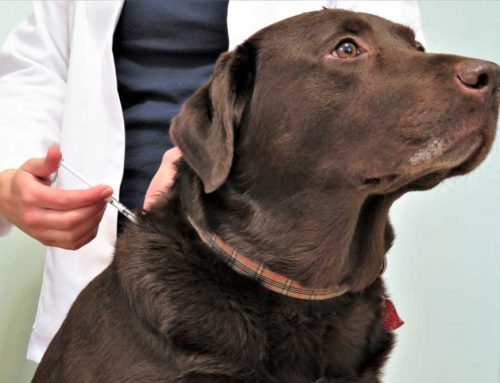
Changing your pet’s food can sometimes help with itchy skin, but not always because they are allergic to something in the bowl. For dogs and cats with a true food allergy, a carefully controlled elimination diet can help us identify whether a dietary protein is contributing to chronic itching, ear infections, paw licking, or other skin problems. But diet can also play a supporting role for pets with environmental (atopic) allergies. Veterinary skin-support diets may include fatty acids and other nutrients that help strengthen the skin barrier, support a healthier coat, and make irritated skin better able to cope with allergens. The important part is knowing what you are trying to accomplish before switching foods, because an elimination diet for suspected food allergy and a diet chosen to support atopic skin are not the same thing.
At State of the Heart Veterinary Care in Denver, we can help you sort out where food fits into the bigger picture of your pet’s itching. That may mean first treating an uncomfortable flare during one of our same-day sick visits, looking for secondary skin or ear infections, or deciding whether a proper elimination diet trial makes sense. For pets whose allergies are primarily environmental, we can also talk about nutrition as one part of a broader skin-care plan alongside itch control, topical care, and allergy testing with immunotherapy. If you are wondering whether changing foods could actually make your pet more comfortable, ask us where to start. We can help you choose a diet for the problem you are actually trying to solve.
What You Should Know About Choosing the Right Diet
- A true food allergy is an immune reaction to a protein your pet has eaten before, and it can show up in the skin, the ears, the gut, or all three at once.
- No blood, saliva, or hair test can diagnose it, so a structured elimination diet trial is still the only way to get a trustworthy answer.
- One flavored chew, one bite of cheese, or one flavored medication can invalidate weeks of work, so the whole household has to be in on the plan before day one.
- Environmental allergies cause far more itching than food does, which is why diet is usually one piece of a plan that also includes parasite control, topical care, and itch relief.
How Do I Know If My Dog or Cat Has a Food Allergy?
The signs are easy to mistake for something else. Chronic scratching, ear infections that keep returning, and paw licking that never quite stops are the most common way food allergies announce themselves, and nutrition and itchy skin are linked closely enough that a diet change often belongs in the treatment plan alongside anything prescribed for the itch itself.
Here’s what that tends to look like at home:
- Skin and coat: Dogs get red, greasy, or thickened skin in the armpits, groin, and under the tail. Cats are subtler, and often the first clue is a strip of thin fur along the belly or inner thighs, or crusty bumps scattered over the head and neck.
- Ears: Head shaking, a yeasty odor, and infections that clear up on medication and return a few weeks later are classic. One-sided ear disease is less likely to be allergy and more likely to be something stuck in there.
- Feet and face: Rust-colored saliva staining between the toes, chewing at the front paws during a movie, and rubbing the muzzle along the couch all count.
- Digestion: Loose stool, gas, more than a few bowel movements a day, or intermittent vomiting show up in roughly a quarter of food-allergic pets, and cats carry the gut signs more often than dogs do.
Plenty of other things look identical. Fleas, Sarcoptes and Demodex mites, ringworm, Malassezia yeast, and plain bacterial skin infection all produce an itchy, uncomfortable pet, and some of those are contagious to people. That’s why an exam comes first. We run skin cytology and skin scrapings through our in-house lab to see what’s living on the surface, check the ears under the microscope, and pair that with parasite screening and baseline bloodwork when the picture suggests something systemic. Ruling those out is what makes a diet trial worth your effort.
How Does Diet Management Work for an Allergic Dog or Cat?
Dietary management has two halves that people tend to blur together. The first is a controlled elimination trial that tells us whether food is the problem at all. The second is a careful transition onto whatever diet your pet stays on afterward. Both take planning, and neither one works well if the itch is out of control on day one.
That last part matters more than most families expect. If your pet is raw, smelly, or shaking their head nonstop, we’d rather get them in for a same-day appointment and treat the secondary infection first, because a skin infection itches on its own and will happily mask whatever the food is or isn’t doing.
What Is an Elimination Diet Trial, and Why Can’t We Just Run a Test?
No blood panel or saliva test reliably confirms a food allergy in a dog or cat, which is why food allergy diet trials are still the only way to get a real answer. The commercial kits marketed straight to pet families have been studied repeatedly, and they return the same results on samples from healthy pets as they do on allergic ones.
A true elimination diet trial runs eight to twelve weeks on one hydrolyzed or novel protein food with nothing else going into your pet, and it ends with a deliberate return to the old diet to see whether the signs come back. That rechallenge feels counterintuitive when your dog finally stopped scratching, but it’s the step that separates a real food allergy from a coincidence, a season change, or the flea prevention you started the same week.
| Diet type | How it works | Where it fits |
|---|---|---|
| Hydrolyzed prescription diet | Protein is broken into fragments too small for the immune system to recognize | The usual first choice for a trial in both dogs and cats |
| Novel protein prescription diet | Uses a protein and carbohydrate source your pet has never eaten, like kangaroo or alligator | Good when you can account for everything your pet has eaten |
| Over-the-counter limited-ingredient food | Fewer ingredients on the label, no guarantee about what else runs on the same equipment | Reasonable for long-term maintenance, unreliable for the trial itself |
| Home-prepared novel protein diet | Whole ingredients built to a veterinary nutritionist’s recipe | For very picky pets or those juggling another medical condition |
Picking the trial food is a conversation, not a coin flip. Dr. Daughtry will go through your pet’s whole eating history first, because a protein your dog ate as a puppy isn’t novel anymore, and venison jerky from two Christmases ago counts.
How Do I Switch Foods Without Undoing the Trial?
Choosing pet food comes down to life stage, proven nutritional adequacy, and who actually formulated the recipe rather than the imagery on the bag, and those same standards apply to whatever diet your pet moves onto over the next seven to ten days. Start with about a quarter of the new food mixed into the old, shift the ratio every couple of days, and slow down if the stool loosens.
Cats need more patience here. A cat who has decided a new food is beneath them can hold out for days, and a cat who stops eating entirely for more than about 48 hours needs to be seen, since prolonged fasting puts real strain on the liver. Warm the food slightly, keep the bowl in its usual spot, and never let a food change turn into a hunger strike.
The trial itself is undone by small things, almost always by accident:
- Flavored preventives and chews: Heartworm tablets, flea and tick chews, and dental treats are usually flavored with beef, pork, or poultry.
- Flavored medications: Compounded liquids and chewable tablets carry protein flavoring, so ask us for an unflavored form before the trial starts.
- The household: Table scraps, a toddler sharing crackers, and the neighbor with a biscuit in their pocket all reset the clock.
- Other pets’ bowls: A dog who cleans up after the cat isn’t on a trial, and neither is the cat who raids the dog’s food.
- Non-food items: Rawhides, flavored toothpaste, and coated toys count too.
If that list makes your head spin, our technicians will sit down with your treat drawer and medication list and flag what has to come out. Many prescription diets for food trials have treats available as well, so you can still have something special for your pet that doesn’t ruin your hard work. Our online pharmacy has a great selection of diets for food trials, and we’ll work with you to find the best one for your pet.
Does Grain-Free Mean Allergy-Free?
Grain-free is the loudest of the pet food myths, because the ingredients most often reported behind food reactions are beef, dairy, and chicken in dogs and beef, fish, and dairy in cats, all proteins rather than grains. Dropping the grain while keeping the chicken changes almost nothing.
A few other beliefs get in the way just as often:
| True food allergy | Food intolerance | Environmental (atopic) allergy | |
|---|---|---|---|
| What’s happening | Immune reaction to a dietary protein | Digestive upset with no immune memory involved | Immune reaction to pollens, molds, and dust mites |
| Typical signs | Itchy skin and ears, sometimes with loose stool | Gas, soft stool, or vomiting soon after eating | Itchy feet, face, belly, and ears |
| Timing | Year-round, unrelated to season | Tied to a specific food or ingredient | Often seasonal at first, then creeping year-round |
| How we sort it out | Elimination trial with a rechallenge | Removing the suspect item and watching | History, exam, ruling out food, then allergy testing |
“My pet has eaten this food for years, so it can’t be that” is the misconception we hear most. Allergies develop through exposure, so a long-standing favorite is a prime suspect rather than an alibi. And “hypoallergenic” on a bag isn’t a regulated term. Independent testing of over-the-counter limited-ingredient foods has repeatedly turned up proteins that never appear on the label, usually from shared manufacturing equipment, which is exactly why prescription diets exist for the trial phase.
What Else Helps an Itchy Pet Besides Changing Food?
Diet is one lever, and pulling it by itself rarely gets a pet all the way comfortable. Most itchy dogs and cats improve fastest when the food change happens alongside topical care, strict parasite control, treatment of any secondary infection, and something to break the itch cycle while the skin barrier heals underneath.
- Topical care: Medicated shampoos, sprays, and mousses do real work between meals, since topical therapy for allergic dermatitis rinses allergens off the coat and helps rebuild a skin barrier that has been inflamed for months.
- Parasite control: One flea bite can set off itching that looks exactly like a food reaction, so year-round parasite prevention stays on the plan through a Denver winter and for indoor-only cats too. We’ll match flea and tick prevention to your pet’s species, weight, and household so nothing has to be guessed at.
- Grooming: Regular grooming does more than keep a coat tidy, because brushing lifts allergens and loose debris off the skin and gives you a standing look at scabs, hot spots, and thinning fur before any of it turns into an infection.
- Itch relief: Prescription anti-itch medication during the trial keeps your pet comfortable and stops the self-trauma that creates new infections. We time it so it doesn’t muddy the results.
One thing to skip: human combination allergy and cold products. Never give a pet an antihistamine that also contains a decongestant such as pseudoephedrine or phenylephrine, which can be toxic at small doses. Check with us before any over-the-counter product goes in the bowl.
What If the Diet Trial Doesn’t Fix the Itching?
A clean trial that changes nothing is still useful information. Atopic dermatitis is driven by pollens, molds, and dust mites rather than dinner, it usually starts as a seasonal itch before creeping toward year-round, and it explains far more scratching dogs and cats than food ever will.
This is where allergy testing earns its keep. Intradermal or serum testing doesn’t diagnose atopy, and it certainly doesn’t diagnose food allergy. What it does is identify which environmental triggers to build immunotherapy around, which is the only approach that changes the underlying disease instead of managing symptoms. Along the Front Range that usually means grasses, sagebrush, and dust mites showing up on the same panel.
A handful of other conditions wear the same costume. Sarcoptic mange is fiercely itchy and contagious to people, ringworm spreads easily in multi-cat homes, and hormonal disease in older dogs changes the coat and invites repeat infections without much itching at all. Some cats groom themselves bald for reasons rooted in stress or pain instead of allergy, and behavioral medicine is part of that conversation with us.
Cats also carry allergy in the gut more often than dogs do. When vomiting or diarrhea outlasts a proper diet change, advanced diagnostic imaging with visiting specialists helps us separate food-responsive intestinal disease from inflammatory bowel disease or lymphoma, using ultrasound and, when the case calls for it, endoscopy.
Can Nutrition Keep Flare-Ups From Coming Back?
Nutrition won’t cure an allergy, but it raises the floor. A complete, life-stage-appropriate diet with adequate omega-3 fatty acids feeds the skin barrier that allergens have to cross, and a sturdier barrier tends to mean smaller flares, fewer secondary infections, and less medication over the course of a year.
The marine-sourced fatty acids EPA and DHA are the ones with the best evidence behind them, and they take six to eight weeks of consistent dosing before anyone notices a difference, so don’t judge them at week two. Probiotics may help pets whose allergies run toward the digestive side. Veterinary skin-support diets bundle these nutrients at therapeutic levels rather than the token amounts sprinkled into most maintenance foods.
Needs shift, too. Regular wellness exams are where we catch a diet that quietly stopped fitting: the senior cat with early kidney changes, the dog who put on eight pounds over a snowy winter, the pet whose flares started clustering every August.
What Denver Families Ask Us About Itchy Pets and Food
Can I Just Cook for My Pet Instead?
You can, and for some pets a home-prepared novel protein diet is the best option available, especially when a pet refuses every commercial trial food. The catch is balance. Recipes pulled off the internet are frequently short on calcium, zinc, vitamin D, or taurine, and a cat fed a taurine-deficient diet can develop heart disease. A home-cooked trial diet needs a recipe formulated by a veterinary nutritionist, and we’ll help you get one.
My Dog Loves Their Dental Chew. Does That Ruin the Trial?
It does, unfortunately. Dental chews are food, and most are flavored with poultry or beef to make them appealing. Anything that goes in the mouth counts during those eight to twelve weeks. The good news is that the trial is temporary and the teeth don’t have to suffer for it. Daily brushing costs nothing, toothpastes without protein flavors are available, and professional dental cleanings handle what a chew never could anyway.
How Soon Should I Expect to See a Difference?
Digestive signs often settle within two to three weeks, which is encouraging but not the finish line. Skin takes considerably longer, since inflamed skin and a damaged barrier need time to turn over, and many dogs don’t show their full response until week eight or later. Cats often respond somewhat faster. The most common reason a trial “fails” is that a family stopped at week four and concluded food wasn’t the issue.
Building a Mealtime Routine That Works for an Allergic Pet
Twelve weeks of saying no to the treat jar is genuinely hard, especially when the dog in question has perfected the “I’m starving to death” look. Most families get through it, and the payoff is a pet who sleeps through the night instead of scratching through it.
Whenever you’re ready to figure out where food fits, book a visit with us at State of the Heart Veterinary Care in Denver. We’ll build the plan around your pet and your household, not around a bag.