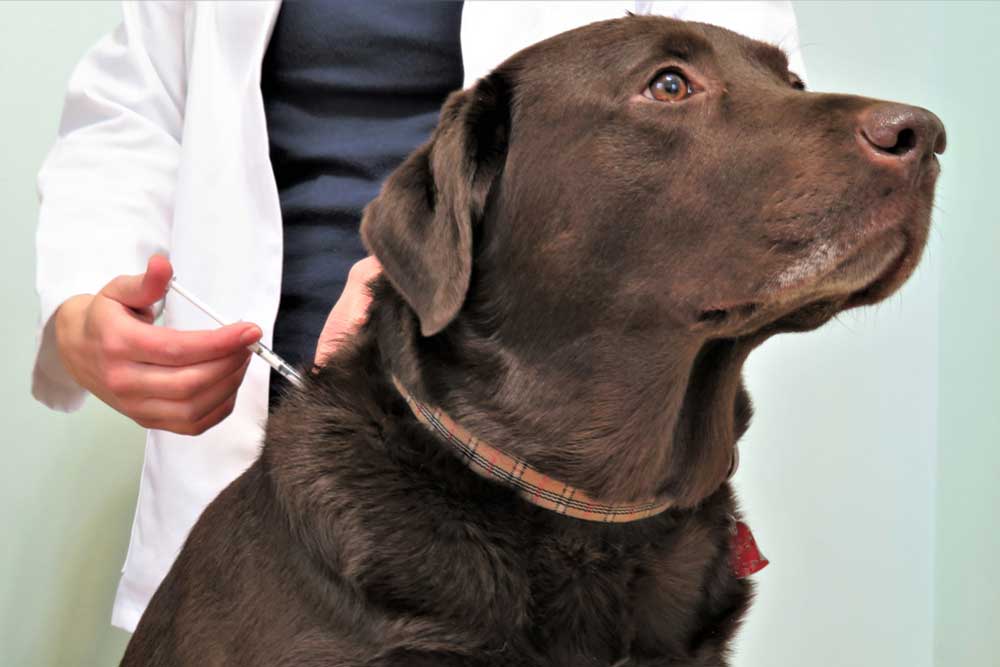
Tracking your pet’s blood sugar with glucose curves and a continuous monitor turns diabetes treatment from guesswork into a plan, and for some pets, especially cats diagnosed early, that plan can genuinely end in remission. Cats have a real chance of coming off insulin when the disease is caught early and blood sugar is brought under control quickly, while dogs nearly always stay on insulin for life and still live full, happy years with it. A glucose curve is a series of blood sugar checks over the course of a day, and a continuous glucose monitor is a small sensor worn at home that records readings day and night. The diagnosis and plan can feel overwhelming in the exam room, but with a steady routine, most diabetic dogs and cats do remarkably well.
State of the Heart Veterinary Care was built on the belief that quality care should be accessible to every Denver family, and diabetes is the kind of condition that requires a close relationship with a team you can trust. Our in-house lab runs the glucose curves, chemistry panels, and urinalysis that show how your dog or cat is responding, and we talk through home monitoring options so you are not guessing between visits. If your pet is suddenly draining the water bowl, urinating more, or losing weight despite a good appetite, a same-day sick pet exam is where the first blood and urine testing begins. When a reading from a curve or home monitor has you worried, call us and we will help you figure out the next step.
Start Here: Curves, Insulin, and Remission
- A glucose curve maps your pet’s blood sugar across a full day, which is the only reliable way to tell whether a dose is doing its job.
- Home monitoring, whether a quick ear-prick glucometer check or a continuous sensor, lets you confirm a safe number before dosing and catch trouble between visits.
- Remission is a realistic goal for many cats caught early, while most dogs stay on insulin for life and still thrive on it.
- The two emergencies to know are hypoglycemia, when blood sugar drops too low, and diabetic ketoacidosis, when it climbs dangerously high, and both need fast action.
How Is Diabetes Different in Dogs Versus Cats?
The difference comes down to why insulin stops working. Most dogs can’t make enough insulin at all, so replacing it becomes a permanent part of their care, while many cats develop resistance to the insulin they still produce and some can return to normal blood sugar. Underneath both versions, diabetes is a problem of fuel delivery: the body can’t move glucose out of the bloodstream and into the cells that need it for energy, so sugar climbs while the cells stay hungry.
The signs that bring families in look much the same in both species. Your dog or cat starts drinking noticeably more water, the litter box or the yard needs cleaning far more often, and weight slips away even though the food bowl is emptying fine. Some pets act tired or a little off, and that combination is the pattern worth testing for.
Feline diabetes is driven far more by resistance to insulin than by a pancreas that can’t make it, and extra weight is the biggest driver of that resistance, which is why preventing pet obesity does more for a cat’s long-term blood sugar than almost anything else. Damaged insulin-producing cells in dogs don’t come back with weight loss, which is how diabetes in dogs and cats ends up following two very different paths from the same starting symptoms.
What Does a Blood Glucose Curve Actually Show?
Blood glucose curves track the numbers across a full day so we can see how low the sugar drops after a dose, how long the insulin holds it down, and whether the level ever settles into the target range. One reading on its own is just a snapshot, and a stressful car ride, a recent meal, or plain excitement can push it up or down enough to mislead us.
The nadir, the lowest point the glucose reaches, is the number we watch hardest, because it tells us whether the insulin is working too hard or not hard enough. Timing matters just as much: some pets burn through a dose in eight hours while others hold steady for twelve. A supervised curve run here in the clinic collects those points in a single day and tells us whether to hold the dose steady, nudge it up, or ease it back.
For a longer view, a test called fructosamine, the pet version of the A1C people may know, reflects average blood sugar over the previous couple of weeks. It’s a useful cross-check when one stressful curve doesn’t match how your pet is doing at home.
Can I Check My Pet’s Blood Sugar at Home?
Home monitoring isn’t just possible, it’s one of the most useful tools a diabetic pet’s family can have, because it lets you confirm a safe number before a dose instead of guessing. Most families find it far less stressful than they expected once the routine settles in.
The technique takes a little practice, and the first few sticks feel awkward for almost everyone. Our team will walk you through it with your own meter and your own pet before you try it at home.
A few options fit different situations:
- Spot checks with a glucometer: Home blood glucose testing takes one drop of blood from the edge of the ear, gums, or a paw pad, read on a pet-specific meter in seconds.
- Continuous glucose monitors: A small sensor sits on the skin and reads glucose day and night, which matters most for pets whose numbers bounce around and for cats edging toward remission.
- Urine testing: Strips flag when glucose is spilling into the urine, which only happens when glucose in the blood is too high; it’s more of a flag to check the blood glucose than a specific number to work from.
Can My Cat Really Come Off Insulin?
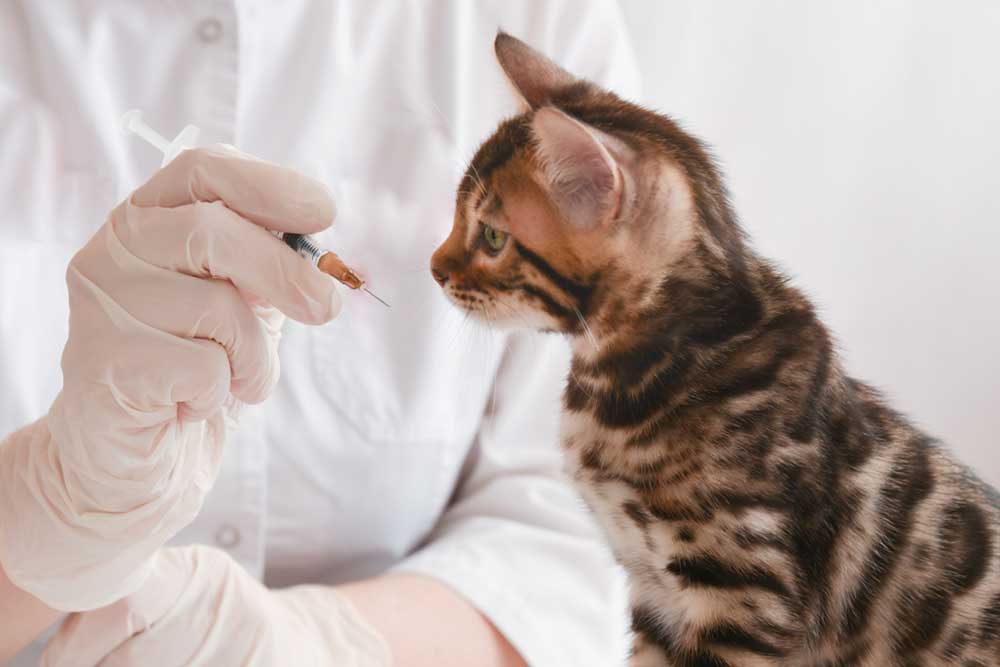
Remission means a cat holds normal blood sugar without any insulin at all, which isn’t a permanent cure but a stretch that can last months or even years. For cats diagnosed early and treated aggressively from the start, it’s a realistic goal rather than wishful thinking.
The best candidates are cats brought quickly to a healthy weight, moved onto the right diet, and kept in tight control from the first weeks. The sooner the pancreas gets a break from constantly high sugar, the better its odds of recovering some function. Getting there takes close monitoring and small, careful dose reductions, so insulin comes down only as fast as your cat can safely handle. Even cats who never reach full remission usually end up on lower, steadier doses along the way.
What Are the Warning Signs of Low Blood Sugar?
Hypoglycemia is the most urgent risk of insulin therapy. It happens when there’s more insulin on board than the body has sugar to match, and it can move fast in a pet who seemed fine an hour earlier.
Early signs are easy to miss if you’re not watching for them: a bit of restlessness, hunger, a slightly unsteady walk, or your pet seeming quieter than usual. If it progresses, you may see stumbling, trembling, confusion, collapse, or in serious cases seizures. The usual triggers are a dose given after a skipped meal, an accidental double dose, or a burst of hard exercise without enough food to cover it.
If you spot the early signs and your pet can still swallow, rub a finger-full of corn syrup or honey onto the gums and head in right away. Only do this if they are awake and aware to prevent them from aspirating it (inhaling), which can cause pneumonia. Ask us to run through that plan at the sick visit where diabetes is diagnosed so the whole household knows what to do before an emergency. During our open hours we can see a pet who has crashed as same-day urgent care; after hours, head straight to the nearest veterinary emergency hospital.
What Is Diabetic Ketoacidosis and Why Is It an Emergency?
Diabetic ketoacidosis sets in when a severe insulin shortage forces the body to burn fat for fuel, flooding the blood with ketones and triggering vomiting, deep lethargy, and a telltale sweet, acetone-like smell on the breath. It sits at the opposite end of the range from hypoglycemia: blood sugar is sky-high, but the body cannot use it as energy.
Early on, a pet may just seem off, drinking and urinating even more than their usual diabetic baseline, eating less, and dragging through the day. As it advances, dehydration follows and breathing may change. A stealthy urinary infection, another illness, or a stretch of missed or wrong insulin doses can all tip a diabetic pet into DKA.
This isn’t a wait-and-see situation. It calls for intensive treatment with IV fluids, carefully managed insulin, electrolyte support, and round-the-clock monitoring. Our in-house lab shows us quickly how sick a pet has become, and we can stabilize a critical patient before transfer to a hospital equipped for overnight intensive care.
What Long-Term Problems Can Diabetes Cause?
Even with steady treatment, chronically high blood sugar takes a toll, and most of these complications either improve with better control or can be managed once we find them.
The three most common show up differently in dogs and cats:
- Nerve changes in cats: Diabetic neuropathy shows up in cats as weak back legs and a flat-footed, hock-to-floor stance, and it usually improves once blood sugar is back under steady control.
- Cataracts in dogs: Many diabetic dogs develop cloudy cataracts, sometimes within weeks, and an eye specialist can often restore sight surgically.
- Urinary tract infections: These are more common in diabetic pets because sugar spilling into the urine creates a welcoming environment for bacteria, and they can quietly undermine glucose control.
How Do I Prevent Complications and Keep Control Steady?
Keeping a diabetic pet stable comes down to consistency. For an overweight cat, steady weight loss is the single biggest lever. From there, a few daily habits keep the numbers honest:
- Routine and meals: Feed on a consistent schedule and give insulin with meals, because a skipped meal throws the whole balance off. Gentle, regular exercise helps glucose control as long as the amount stays predictable day to day, which in a Denver winter can mean shorter walks rather than skipped ones.
- Insulin care: Insulin loses potency when it’s frozen, left in the heat, or shaken hard, which is why it belongs in the refrigerator and gets rolled gently rather than shaken to mix.
- The right syringes: U-40 and U-100 syringes aren’t interchangeable, and reaching for the wrong one turns a correct dose into a dangerous one. Check the concentration against the syringe every time you pick up a refill.
- A healthy mouth: Dental disease fuels a low-grade, body-wide inflammation that ramps up insulin resistance and makes steady glucose control harder to hold.
That’s why professional dental care belongs in a diabetic pet’s plan rather than sitting off to the side. Regular rechecks with bloodwork and urinalysis also catch a brewing infection or a shifting trend before it becomes a crisis.
Frequently Asked Questions About Diabetes in Dogs and Cats
How much does managing a diabetic pet cost in time?
Most of the daily commitment is two insulin injections about twelve hours apart, given with meals, plus a quick glance to make sure your pet is eating and acting normally. Some insulin types have different instructions, so always follow your doctor’s orders. The needles are tiny and most dogs and cats barely notice them. Beyond that, you’ll have periodic rechecks and glucose curves, more often at first while we dial in the dose, then spacing out as things stabilize.
My pet was just diagnosed. Is it my fault?
This isn’t something you caused. Canine diabetes is largely driven by genetics and immune-mediated damage to the pancreas that no diet could have prevented. Feline diabetes has a stronger link to weight and lifestyle, but plenty of lean cats develop it too, and hindsight is rarely fair. What matters now is the plan going forward.
Can diet alone control diabetes without insulin?
Diet alone can’t control diabetes in dogs, because their pancreas isn’t making enough insulin and it has to be replaced. Some cats, particularly early cases moved onto a high-protein, low-carbohydrate diet and brought to a healthy weight, can reduce their insulin needs significantly and occasionally reach remission. Even then, diet works alongside insulin and close monitoring rather than instead of them. Never stop or change insulin on your own; we adjust it together based on the numbers.
Living Well With a Diabetic Dog or Cat
Perfect numbers every single day aren’t the goal, and chasing them will only wear you out. What we’re really after is steady control, as few dangerous lows as possible, and a dog or cat who feels good, plays, eats, and enjoys their days.
You won’t be figuring this out alone. When a curve looks strange, a home reading worries you, or you just want to talk through a dose change, reach out between visits. When it’s time to set up monitoring or rework the plan, the team at State of the Heart Veterinary Care runs the in-clinic glucose curves that keep Denver dogs and cats on a steady, comfortable path.