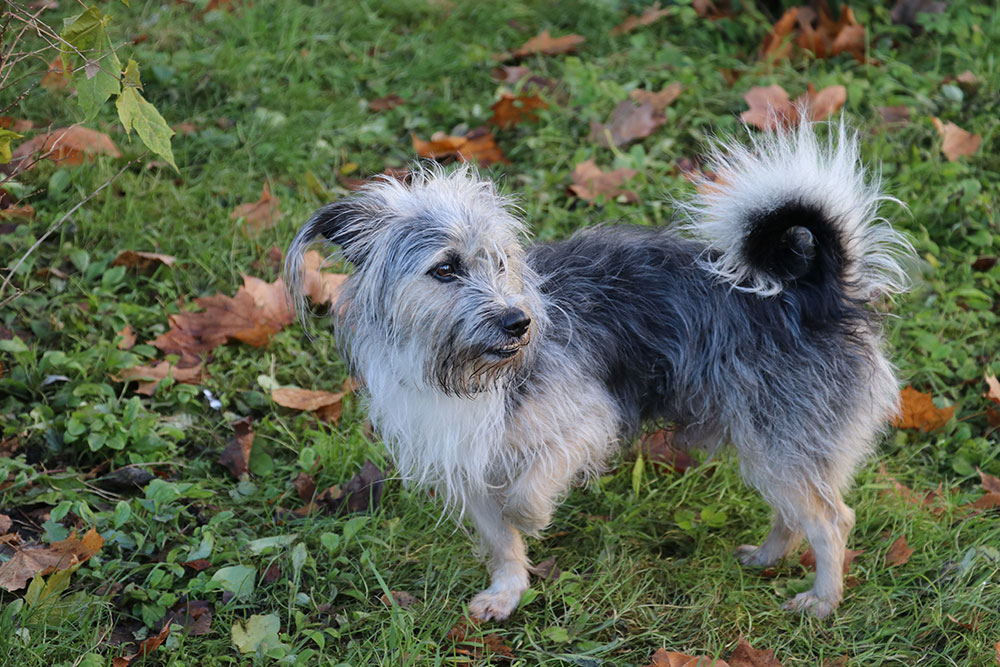
If you have a limping dog, you probably have a lot of questions. Will this get better with a couple days of rest? How serious is it? Are they in pain? How soon do I need to book an appointment? For a dog favoring a back leg, those answers come from an exam and X-rays, and the window to be seen is a day or two rather than a week of watching. Timing matters because a knee that has lost its main stabilizer, the cranial cruciate ligament, keeps taking damage every time the leg is used. Over time, the arthritis worsens, pain builds, muscle weakens, and the other leg is at an increased risk of rupturing its ligament, too.
State of the Heart Veterinary Care in Denver keeps same-day urgent care appointments open for limping dogs, so a painful back leg can be examined the day you call. We check the knee by hand, use in-house digital X-ray to rule out other causes of lameness, and keep your dog comfortable while you weigh treatment options. When a torn ligament needs surgical repair such as a TPLO, a board-certified orthopedic surgeon performs it here. If your dog is holding up a hind leg or limping on it, call us and we will get that knee looked at.
Start Here: What a Torn Cruciate Means
- A dog’s cranial cruciate ligament, the equivalent of the human ACL, usually frays over months instead of snapping in one bad moment, so a limp that comes and goes still deserves an exam.
- Torn cruciates don’t heal on their own, and every week of instability adds arthritis that can’t be undone later.
- Surgery gives most medium and large dogs the best long-term function, while very small dogs sometimes do well with strict rest, pain control, and physical therapy.
- Recovery hinges on the unglamorous parts: confinement, a slow return to activity, and a lean body weight.
What Is a Dog’s ACL, and Why Do These Knees Give Out?
The cranial cruciate ligament, or CCL, is the band inside the knee that keeps the shin bone from sliding forward under the thigh bone. Most cruciate ligament injuries in dogs build slowly as the fibers weaken over months, so the sprint across the yard that finally blows the knee out is the last straw rather than the cause.
A dog’s knee, called the stifle, isn’t built like ours. The top of the shin bone sits at a slope, and every stride sends the bone shoving forward against a ligament that has to hold the line thousands of times a day. Steepen that slope, add weight, add years, and the fibers fatigue.
- Breed and build: Labradors, Rottweilers, Newfoundlands, Staffordshire Terriers, and Golden Retrievers turn up far more often than their share of the population would predict.
- Tibial plateau angle: The steeper the slope at the top of the shin bone, the more force the ligament absorbs with every step. Some dogs are simply born with a knee working overtime.
- Body weight: Extra pounds multiply the load crossing an already-strained joint, and heavier dogs tear younger.
- Activity pattern: The dog who lies on the couch all week and then chases a frisbee for two hours on Saturday asks a lot of a ligament that hasn’t done much conditioning.
Once one side goes, a large share of dogs tear the second ligament within a year or two, partly because the good leg has been carrying extra load the whole time. Body condition is the lever you can move, and wellness exams are where we track weight, muscle, and joint comfort while there’s still something to protect.
What Are the Signs of a Torn ACL in a Dog?
The classic sign is a back leg limp that comes and goes, or a severe, sudden limp. Limping that eases after a day or two of rest and then comes back with the next burst of activity is one of the most telling patterns in a partial tear, which is why changes are worth tracking over days rather than waiting for an obvious three-legged hop.
Beyond the limp, these are the details we ask about:
- The sit test: Your dog sits with the sore leg kicked out to the side instead of tucked neatly underneath.
- Morning stiffness: They’re worst getting up from a nap and loosen after a few minutes of walking.
- Swelling: A puffy, thickened feel along the inside of the knee compared to the other side.
- Everyday hesitation: Stairs, the jump into the car, and slick floors suddenly aren’t as easy.
- A click or pop: An audible sound with each step can point to a torn meniscus alongside the ligament.
- A shrinking thigh: The muscle on the sore side thins out within weeks of favoring the leg.
Not every sore back leg is a cruciate problem. A hairline fracture, a bone tumor, a tick-borne infection, hip dysplasia, and a slipping kneecap can all look identical from across the room, which is why a hands-on orthopedic exam and in-house digital radiographs come before anyone commits to a plan.
How Do We Confirm a Cruciate Tear?
Confirming this diagnosis takes an exam first and pictures second. Two specific tests check whether the shin bone slides forward the way a stable joint never should, and imaging fills in what fingers can’t feel. Dogs who are tense or painful often need sedation before that exam gives a clean answer.
- The physical exam: The cranial drawer test and the tibial compression test are the two maneuvers that matter, and on a fresh complete tear they often settle the question in under a minute. Partial tears are subtler, and a tight, painful dog guarding their leg can mask the motion entirely, making sedation and pain control a necessary part of the exam.
- Radiographs: X-ray imaging doesn’t show the ligament itself, but it does reveal joint swelling, arthritis already forming, and the bony changes that rule out other reasons a back leg might be sore. Films also give the surgeon the measurements a procedure is planned around.
- When the picture doesn’t fit: MRI adds soft tissue detail that radiographs can’t capture, including the meniscus and the ligament fibers themselves, which makes it worth considering in complicated cases where the exam findings and the X-rays don’t line up. That scan happens at a specialty imaging center, and we arrange the referral and send records ahead.
Can a Torn Cruciate Heal With Rest Alone?
A torn cruciate has no capacity to knit itself back together, and the knee never regains stability on its own. An unstable knee keeps grinding with every step, and the arthritis that builds in response is permanent, so a few months of waiting rarely leaves a dog in a better position than treating early.
What an Untreated Knee Looks Like Six Months On
The joint capsule thickens and stiffens, cartilage wears in places it was never meant to bear load, and the meniscus, the C-shaped cushion between the bones, gets pinched and torn by the sliding motion. That secondary injury is its own source of sharp pain. Meanwhile the thigh muscle on that side melts away, and the opposite hind leg absorbs work it wasn’t built for.
Dogs who come to surgery after half a year of limping start rehab from a weaker place than dogs who don’t wait. If the limp isn’t resolving, let us take a look at that knee while there’s still healthy joint to protect.
When Is Conservative Management a Reasonable Choice?
Managing a tear without surgery means weeks of strict confinement, anti-inflammatory medication, a real pain plan, weight loss where it applies, and structured physical therapy. For very small dogs, roughly under 20 to 25 pounds, the forces crossing the knee are low enough that some reach a comfortable, functional place this way. For most medium, large, and giant breeds, repair consistently delivers better long-term function and slows joint deterioration more effectively.
Two things matter while you decide. Never give human pain relievers: ibuprofen, naproxen, and acetaminophen cause stomach ulcers and kidney injury in dogs at amounts that look harmless. And don’t try to walk the limp off, since motion on a loose knee is exactly what drives the damage. A same-day exam gets your dog onto safe medication while you weigh the options against their size, age, and overall health.
What Are the Treatment Options for a Torn ACL in Dogs?
Treatment runs along two paths: surgical stabilization and non-surgical care. The right one depends on your dog’s size, age, activity level, and the shape of the joint itself, and either way the aim is the same, which is a knee that holds steady, arthritis that creeps slowly, and a dog who gets back to being a dog.
Which Surgery Suits Which Dog?
TPLO surgery reshapes bone rather than replacing the ligament, which is why it holds up well for active and larger dogs. Other approaches suit other patients.
| Procedure | What it does | Best fit |
| Lateral suture (extracapsular repair) | A sturdy suture anchored outside the joint does the torn ligament’s work while scar tissue firms up around it | Smaller, less athletic dogs, often under about 25 pounds |
| TPLO | Rotates and levels the top of the shin bone so the knee no longer needs a ligament to stay stable | Medium, large, giant, and athletic dogs of any size |
| TTA | Shifts the attachment of the patellar tendon forward to neutralize the same forward force | Selected dogs whose knee geometry suits it |
| Meniscal treatment | Torn cartilage is trimmed or released during the same anesthesia | Any dog whose meniscus is damaged, checked at the time of surgery |
A visiting board-certified orthopedic surgeon performs orthopedic procedures at our Denver hospital, so the anesthesia monitoring, the pain plan, and the follow-up stay with people who already know your dog. Most patients go home with more than one medication for comfort and a short list of very firm instructions about the early weeks.
What Does Recovery Look Like After Cruciate Surgery?
Structured rehabilitation protects the repair while rebuilding the thigh muscle and range of motion that disappear fast during weeks of restricted activity, and those weeks shape the outcome as much as the operation does.
| Phase | Roughly when | What it involves |
| Protected rest | Weeks 1 to 2 | Confinement, leashed potty trips only, cold therapy and gentle range-of-motion work as directed |
| Early loading | Weeks 3 to 6 | Short, flat leash walks growing by a few minutes at a time, no stairs and no slick floors |
| Building strength | Weeks 6 to 12 | Longer walks, gentle inclines, targeted therapeutic exercise, often underwater treadmill sessions |
| Return to play | 3 to 6 months | Off-leash freedom comes back in stages once follow-up films and an exam confirm healing |
Formal rehab is a referral for us, coordinated with a certified canine rehabilitation practitioner, and the home program between sessions matters just as much. Sit-to-stands, weight-shifting, and slow figure eights rebuild a leg your dog has been avoiding. Check in with our veterinarians before adding distance or letting a dog who is having a good week talk you into a hike.
How Do You Care for a Dog at Home During ACL Recovery?
Home care comes down to three jobs: keep the knee from doing anything sudden, keep your dog’s brain busy while their body rests, and keep the footing underneath them predictable. The first two weeks are the strictest, and most setbacks trace back to a single unsupervised leap off the couch.
How Do You Get Through Crate Rest Without Losing Your Sanity?
Crate rest goes far better when the crate sits in the busiest room of the house and the day has a predictable rhythm of food puzzles, chews, and short handling sessions that tire the brain instead of the knee. A bored dog invents projects, and none of them are good for a healing knee.
Scatter breakfast into a snuffle mat. Freeze a stuffed toy the night before. Teach a chin rest or a nose target, both of which are mentally tiring and require no movement at all. Use a harness with a handle for outdoor trips, block off stairs with a gate, and keep the household’s other dogs from turning a potty break into a wrestling match.
Call us if the incision reddens, opens, or leaks, if swelling jumps overnight, or if a leg your dog was using goes back up in the air. Those changes deserve an urgent care visit, not a wait-and-see weekend.
How Do You Protect Both Knees for the Long Run?
Warm-ups and cooldowns are just a few minutes of easy leash walking on either side of activity, and they keep muscles from going into hard work cold while cutting the next-day stiffness that follows a big weekend. Weight control does more for a sore knee than anything on a supplement shelf, and the restricted weeks after an injury are exactly when portions need to come down rather than stay the same.
- Footing: Runners and area rugs across hardwood and tile give a healing leg something to push against. Keep nails short and the hair between the pads trimmed.
- Jumping: A ramp into the car and a step up to the bed remove the single hardest load a knee takes in an ordinary day.
- Activity shape: Steady, moderate exercise most days protects a joint far better than a sedentary week capped by a three-hour trail day.
- Tracking: Jot down which evenings end in stiffness. Two weeks of notes reveal patterns no single walk will.
We build weight management and preventive care into regular visits, with a body condition score, a calorie target that fits your kitchen, and a conditioning plan matched to what your dog wants to do. A new hitch in the sound leg, a sit that starts sliding out to the side, or fresh trouble rising after a nap all deserve a call rather than a wait.
Questions Denver Dog Families Ask Us About Torn Cruciates
Is a torn ACL an emergency?
A cruciate tear usually isn’t a middle-of-the-night crisis, but it isn’t a wait-and-see either. It is a painful condition, so think a day or two, not a week. If your dog can’t put any weight on the leg, if it looks crooked after a fall or a car accident, or if they’re panting and can’t settle from pain, that’s an emergency, and outside our hours the nearest 24-hour veterinary hospital is where to go.
Will a brace or a joint supplement work instead of surgery?
Neither one stabilizes a knee that has lost its ligament. A custom brace can help a dog who can’t safely have anesthesia for a medical reason, though it has to be professionally fitted and watched closely for pressure sores. Omega-3s and other joint supplements support cartilage over the long haul and are worth having on board, but they don’t repair a tear or halt the sliding that produces arthritis. Both belong alongside a plan, not in place of one.
My dog still runs and plays, so is the knee really that bad?
Dogs are excellent at ignoring pain when something fun is happening. Plenty of them with a partial tear will chase a ball with real enthusiasm and then spend the whole evening stiff and restless. What happens after the fun tells you more than what happens during it.
Keeping Your Dog Moving Well After a Cruciate Tear
Most dogs with a cruciate tear go back to the same trails and the same tennis balls, as long as the plan starts early and the quiet weeks get respected. Rechecks matter as your dog ages, since the repaired joint and the opposite knee both benefit from a set of hands on them once or twice a year. If your dog is limping, book a visit with us at State of the Heart Veterinary Care in Denver and we’ll work out together what that leg is telling you.