A bladder infection left untreated for weeks can become much more than an infection. In dogs, certain bacteria change the urine’s chemistry and give struvite stones exactly the conditions they need to form. Cats work differently, developing crystals and stones from inflammation and concentrated urine with no infection required. The earliest signs are easy to dismiss for days: an extra trip to the yard or litter box, a small accident, a squat that lasts longer and produces less. Somewhere in that stretch, a problem a prompt visit would have resolved starts escalating toward pain, bloody urine, and, in male cats and small dogs, the risk of a blockage that turns life-threatening quickly. Caught early, this is one of the more fixable problems in veterinary medicine. Caught late, it can mean surgery.
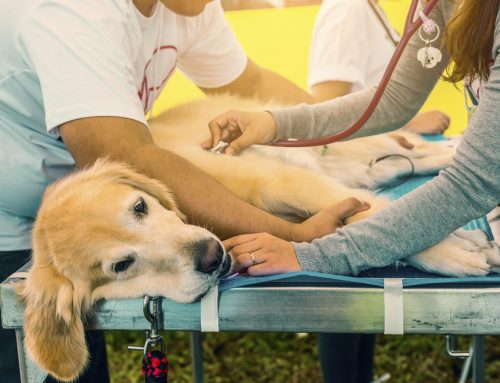
State of the Heart Veterinary Care was built on the belief that quality care should be accessible to every Denver family, and a urinary problem is exactly where an early, affordable visit spares your pet a much harder road. Our sick pet exams pair a hands-on evaluation with in-house urinalysis to confirm an infection or catch crystals, and digital X-ray here catches most stones the same day. When a case needs more, board-certified specialists come to us for ultrasound and advanced imaging rather than sending you across town. If you’ve noticed extra trips outside, straining, or blood in the urine, request an appointment so we can get ahead of it. If your cat or dog is straining and producing nothing at all, treat it as a possible blockage and call us or head to the nearest veterinary ER right away.
The Short Version on Bladder Trouble
- Straining to urinate, blood in the urine, and frequent trips to the yard or litter box are the early signs of a urinary problem, and catching them quickly usually means an easy fix.
- A male cat who strains but produces nothing is a life-threatening emergency and needs an ER right away, not a wait-and-see morning.
- A simple urinalysis tells us whether we’re dealing with an infection, crystals, or a stone, so treatment is targeted instead of guesswork.
- Water, the right diet, a healthy weight, and regular check-ups do most of the work in keeping stones and infections from coming back.
Why Is My Dog Suddenly Asking to Go Out Every Hour?
A dog or cat who suddenly needs to go every hour, squats over and over, or starts having accidents is usually telling you their bladder is irritated, most often by an infection or the early stages of crystals or stones. It’s uncomfortable, rarely their fault, and in most cases very treatable once we know the cause.
Most of us notice it as a change in routine before we notice anything alarming. The dog who slept through the night now paces at the back door at 3 a.m. The cat who used the box twice a day is in and out of it every twenty minutes, scratching and resettling. A puddle shows up by the couch from a housetrained pet who hasn’t had an accident in years. None of that is bad behavior. It’s discomfort.
Urinary trouble covers a wide range: a simple bladder infection, irritating crystals, a full stone, or in a lot of cats, bladder inflammation with no infection at all. A urine sample usually sorts out which one you’re facing the same day.
When Is a Pet’s Urinary Problem a True Emergency?
Most urinary trouble can wait for a same-day appointment, but one situation can’t. A male cat straining in the litter box and producing nothing may have a urinary obstruction, a blockage that can turn fatal within 24 to 48 hours without emergency treatment. That’s an ER trip right now, not a wait-until-morning.
Male cats are especially prone to this problem, because the urethra narrows to a fine point near the tip, so crystals, mucus, and inflammatory debris can plug it completely. Small male dogs can block on a stone lodged in the urethra too. Once nothing can get out, the bladder overfills and toxins back up into the bloodstream.
Signs that mean go now, not later:
- Straining with nothing to show for it: repeated squatting or trips to the box that produce no urine or only a few drops.
- Crying, pacing, or hiding: vocalizing in the box, restlessness, or a normally social cat who suddenly wants to be alone.
- A hard, painful belly: a bladder that feels tense and full, with flinching when touched.
- Vomiting, weakness, or collapse: signals the blockage has started affecting the whole body.
A pet who is straining but still passing some urine needs quick attention, just not necessarily an overnight ER. We see straining and bloody-urine cases through same-day urgent care during open hours, and we can stabilize a critical patient before transferring them when that’s what the situation calls for. Call and we’ll tell you honestly where to go. If those red flags show up when we’re closed, or your pet is producing nothing at all, skip the call and head to the ER.
What Are the Signs and Causes of a UTI in Dogs and Cats?
Straining to go, blood-tinged urine, accidents outside the litter box, and frequent licking of the genital area are the everyday hallmarks of urinary tract infections. Early on those signs are mild and easy to write off, which is exactly why a small shift in bathroom habits is worth a closer look. Most cases begin when bacteria travel up the urethra into the bladder, with anatomy, hormones, and certain chronic illnesses deciding how easily that happens.
The pattern to worry about is when straining ramps up, urine turns visibly pink or red, or your pet seems uncomfortable. These signs overlap with crystals, stones, and bladder inflammation, so the only reliable way to tell them apart is a urine sample and sometimes imaging.
What Causes UTIs in Pets?
Most bacterial bladder infections take hold when bacteria climb the urethra and multiply in the bladder, which is why anatomy and hygiene shape a pet’s risk. Female pets, with a shorter and wider urethra, tend to be more prone, and anything that concentrates urine or feeds bacteria stacks the odds further.
A handful of factors come up again and again:
- Anatomy: In some female dogs, a recessed vulva traps moisture and bacteria against the skin folds, setting the stage for repeat infections.
- Hygiene and access: A dog who can’t get outside often enough, or a cat avoiding a dirty box, holds urine longer and gives bacteria more time to multiply.
- Chronic conditions: Diabetes spills sugar into the urine, giving bacteria a ready food source. Kidney disease and anything that overly dilutes urine can raise the risk too.
Because these underlying issues keep infections coming back, pets with an endocrine condition or a history of recurrent UTIs do best with ongoing medical care that manages the root cause instead of chasing one flare at a time.
How Does an Untreated Infection Actually Turn Into a Stone?
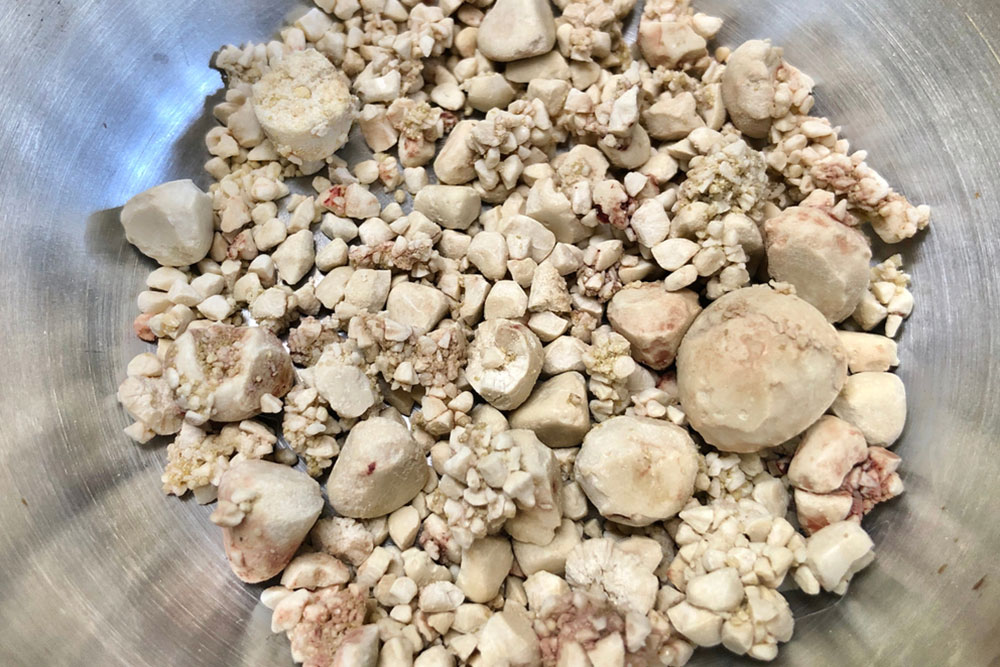
The connection is chemistry. Some of the bacteria that infect a dog’s bladder, including certain Staph and Proteus species, produce an enzyme called urease. Urease splits urea in the urine into ammonia, which drives the urine’s pH up and makes it alkaline. Struvite crystals precipitate readily in alkaline urine, and given weeks of the right conditions, those crystals clump into a stone.
So an infection left alone doesn’t simply stay an infection. It changes the environment inside the bladder until stones become likely. The upside of that same chemistry: infection-driven struvite stones in dogs will often dissolve once the infection is cleared and the right diet shifts the pH back, without ever going to surgery.
Cats sit on the other side of this. Feline struvite is usually sterile, forming from concentrated urine and bladder inflammation rather than bacteria, which is one reason antibiotics alone so rarely fix a cat’s recurring bladder trouble.
There’s a second reason not to let an infection run. Bacteria in the bladder can travel upward to the kidneys, and a kidney infection is a far more serious illness that can quietly damage kidney function over time. Fever, vomiting, poor appetite, pain over the lower back, and a pet who seems genuinely unwell rather than just uncomfortable all point that direction.
Can Regular Check-Ups Catch Urinary Problems Before They Start?
Routine visits catch a surprising amount of urinary trouble before it turns into straining or blood, because the problem often shows up in the urine before it shows up in behavior. A urinalysis is the fastest way to catch infection, crystals, and overly dilute urine, which points us toward targeted treatment instead of a blind course of antibiotics.
Running that sample as part of wellness screening means we can get ahead of the problem. When infection looks likely or keeps returning, a urine culture names the exact bacteria and the antibiotic that will clear it, which also matters for avoiding resistance from repeated guesswork prescribing.
A repeat test after treatment confirms an infection truly cleared rather than just quieted down. Senior and medically complex pets benefit from a urine check in every regular workup, since kidney disease, diabetes, and early crystals often surface there first.
How Do Diet, Water, and Supplements Support Urinary Health?
The single most protective thing for a pet’s bladder is dilute urine, because the more water moving through, the less chance minerals have to clump into crystals or stones. Nutrition does the rest, shifting urine chemistry so stones are less likely to form.
Hydration is the easy lever, and it takes more attention in Colorado than most families expect. Dry air and altitude pull water out of a pet all day, so the same dog who stayed well hydrated at sea level may need more encouragement here. Wet or canned food adds a large amount of water to every meal, a fountain tempts many cats to drink more because they prefer moving water, and a few extra bowls around the house nudge dogs to sip through the day.
Diet is the targeted lever. Some bladder stones can be dissolved without surgery, using a therapeutic food that shifts urine chemistry. That same category of prescription food can keep certain stones from forming again, which matters because some types return readily once a pet has made them. We match the food to the exact stone and stock it in our in-house pharmacy, so this is a conversation worth having with us rather than a guess off a shelf. Urinary supplements can support bladder health as add-ons, but they work best chosen with your veterinarian rather than as a stand-in for the right diet or treatment.
What Can I Do at Home to Lower My Pet’s Urinary Risk?
Day-to-day habits do more for urinary health than most families expect. Keeping a pet lean, keeping the back end and skin folds clean, and keeping the box appealing all lower the odds of infections and stones.
Weight is the big one. Overweight pets form stones more often than lean ones, and that connection between obesity and bladder stones makes weight control a real urinary-health tool, not just joint care. If your pet is carrying extra pounds, a wellness exam gives us a realistic target and a path to reach it without leaving them hungry.
Cleanliness matters, too. For dogs prone to trapped moisture in skin folds, keeping the area clean and dry cuts down on the bacteria behind repeat infections. Dirty litter boxes become unused litter boxes, and some cats have strong preferences on the type of litter in their box. Testing types of litter until you find one your cat reliably uses keeps them urinating regularly and makes changes easier to spot. Scooping daily and offering one more box than the number of cats keeps everyone using it.
The habit that ties all of this together is simply watching. You’re the first to notice a shift in how often, how much, or how comfortably your pet is going, and that early notice is what turns a big problem into a small one.
How Are UTIs and Bladder Stones Treated?
Treatment follows the diagnosis. A simple bladder infection usually clears with a course of the right antibiotic plus short-term pain relief, while urinary stones take a different route depending on their type: some dissolve with a special diet, and others have to come out.
The first look is usually imaging. Digital X-rays show most stones clearly, and ultrasound picks up bladder changes and softer stones that plain films can miss, which tells us the size, number, and location before we commit to anything.
Here’s how the common problems tend to line up:
| Problem | Typical approach |
| Bacterial bladder infection | Targeted antibiotic based on culture, plus short-term pain relief |
| Crystals in the urine | Diet change and more water to flush and prevent them |
| Struvite stones in dogs | Clear the underlying infection, then a therapeutic food that dissolves them over several weeks |
| Calcium oxalate stones | Surgical removal, since diet won’t break them down |
| Urate or cystine stones | Often breed-linked, managed with diet, medication, and sometimes surgery |
| Complete urethral blockage | Emergency stabilization and catheterization, then a prevention plan |
When diet can’t do the job, a cystotomy opens the bladder to take stones out directly, and most pets recover comfortably within a couple of weeks. That procedure is part of the comprehensive surgical care we perform in our own hospital, and we send anything we remove to a lab so the prevention plan matches what stone your pet actually forms.
Bladder trouble genuinely hurts, so pain relief goes alongside whatever is treating the cause, and most pets feel noticeably better within a day or two.
What If the UTI Keeps Coming Back?
A urinary infection that clears partway and returns, over and over, in an older dog deserves a different question: is this really an infection at all? Bladder cancer produces the same picture, straining, frequent trips, and blood in the urine, and it often improves briefly on antibiotics because a secondary infection sits on top of it.
That partial response is the trap, and it’s the reason these tumors are so often treated as recurrent UTIs for months. The most common one in dogs is transitional cell carcinoma, and it turns up mostly in older dogs, more often in females, with some breeds far more likely to develop bladder cancer than others, Scottish Terriers most of all. Ultrasound and a urine test can usually sort it out. It’s rarely curable, but many dogs stay comfortable and active for a good stretch on treatment, and the earlier we find it, the more those options are worth.
When Should You Call the Vet About Urinary Symptoms?
Any straining, blood in the urine, or obvious discomfort around going is worth a call the same day rather than a wait-and-see week. These problems tend to escalate over days rather than settle on their own, so an early same-day sick exam is almost always the easier path.
A few patterns deserve a call today rather than tomorrow:
- Blood in the urine or hard straining: even if your pet is still producing, these point to real inflammation.
- Signs of pain: hunching, restlessness, crying in the box, or a tender belly.
- Off in themselves: not eating, low energy, fever, or vomiting alongside the urinary changes.
- Fast change: symptoms that clearly worsen over a few hours instead of holding steady.
- Signs that keep coming back: an older dog with repeated urinary symptoms that never fully clear deserves a closer look, since bladder tumors can imitate a stubborn infection.
Watchful waiting has its place with a lot of minor things, but urinary symptoms aren’t on that list. And if your pet is straining with nothing coming out, skip the wait entirely and treat it as the emergency it may be.
Frequently Asked Questions About Urinary Problems in Pets
Can a Pet’s UTI Clear Up Without Treatment?
Occasionally a very mild infection settles on its own, but it’s not something to count on. An untreated infection can climb toward the kidneys or, in a dog, set up the alkaline urine that struvite stones need, and the uncomfortable straining drags on longer than it needs to. Because a urine test and the right antibiotic usually resolve things quickly, treating early is far kinder than hoping it fades.
Is Blood in My Pet’s Urine Always an Emergency?
Blood in the urine isn’t usually a middle-of-the-night emergency on its own, but it does need a same-day call. In most cases it points to an infection, crystals, or a stone, all of which respond well once identified. The exception is a pet who is also straining and producing little or nothing, especially a male cat, which turns urgent fast. When you’re unsure how serious it is, a quick urine check settles the question.
Why Does My Cat Keep Having Bladder Trouble With No Infection?
Many cats develop bladder inflammation with no bacteria involved at all, often tied to stress, concentrated urine, and an indoor lifestyle. It flares, settles, and flares again, which is genuinely frustrating. The most effective tools are unglamorous: more water through wet food and fountains, a lean weight, a clean and appealing box, and less stress at home.
Keeping Your Pet’s Urinary System Healthy for the Long Run
Most urinary problems in cats and dogs are very manageable, and catching them early is what keeps them small. A little more water, the right food, a healthy weight, and a urine check when something seems off head off the large majority of infections and stones before they ever turn into surgery. If you’ve noticed extra trips outside, straining, or a change in the litter box, schedule a visit with us at State of the Heart Veterinary Care here in Denver and we’ll get to the bottom of it together.