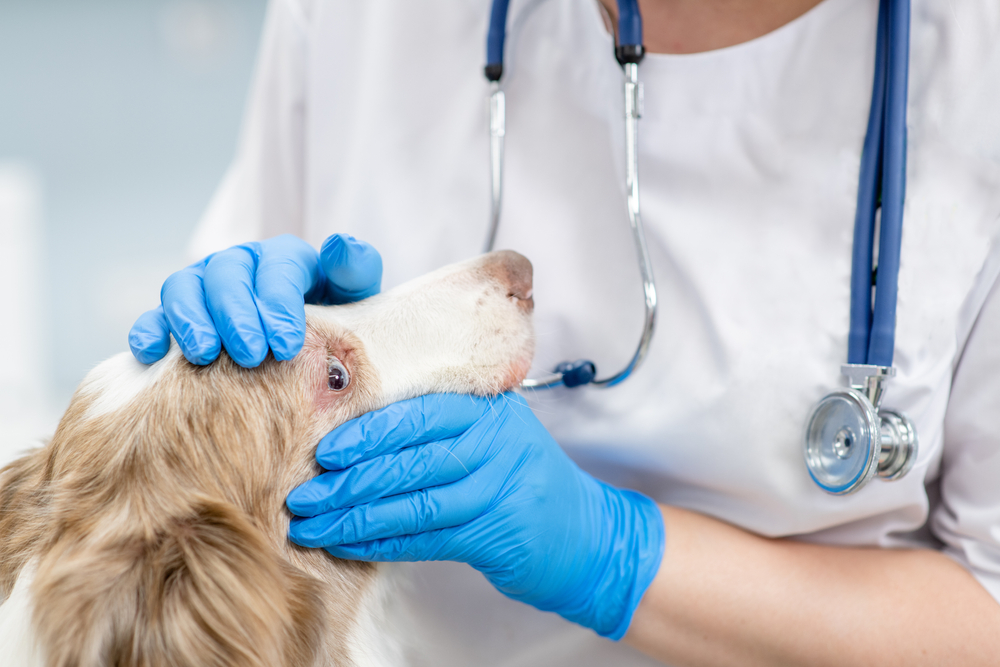
Eye problems in dogs and cats range from mild and self-limiting to genuine emergencies, and the tricky part is that the external signs often look similar. Watering, squinting, cloudiness, redness, or pawing at the face can mean a brief irritant, a long-standing condition like dry eye, or a fast-moving emergency like glaucoma or a corneal ulcer, where a delay of even a few hours can mean the difference between a straightforward treatment and permanent damage. Knowing which conditions are common, what each one looks like, how they are treated, and which ones need same-day attention is what helps you respond quickly when something looks off.
At State of the Heart Veterinary Care in Denver, we offer same-day sick visits and urgent pet care for exactly the kind of situation where waiting feels wrong. Our in-house diagnostics and ophthalmic exam capabilities allow us to evaluate what is actually happening with your pet’s eye rather than guess from a description. If you are seeing something that concerns you, call us and we will get your pet seen.
Eye Problems in Pets: The Essentials
- Eye conditions vary widely in urgency: mild redness from dust looks similar to vision-threatening glaucoma at first glance.
- Pets hide eye pain: squinting, increased blinking, light avoidance, and rubbing the face are often the first signs.
- Denver’s altitude and UV intensify several conditions: including pannus in shepherds and pigmentary keratitis in brachycephalics.
- A same-day exam usually settles the urgency question: eye conditions get more expensive and less treatable the longer they wait.
What Are the Common Eye Conditions in Pets?
Eye problems range from mild irritation to vision-threatening emergencies, and common signs of eye pain include squinting, increased tearing, rubbing or pawing at the eye, light sensitivity, a cloudy appearance, discharge, redness, or visible swelling. Pets cannot tell us when their eyes hurt, so the behavior changes often matter as much as the obvious external signs do.
Corneal Ulcers
Corneal ulcers are open sores on the cornea, with common causes including scratches, foreign bodies, dry eye, infections, and self-trauma from rubbing. Signs include squinting, increased tearing, holding the eye closed, and light sensitivity, and diagnosis uses fluorescein stain, which turns green where the cornea is damaged. Treatment depends on depth: superficial ulcers typically heal with antibiotic drops over 7 to 10 days, while deeper ulcers can require intensive care or surgical referral, since untreated ulcers can deepen, perforate, and cause permanent vision loss within days.
Cherry Eye
Cherry eye is the prolapse of the gland of the third eyelid, appearing as a red, fleshy mass in the inner corner, common in young Bulldogs, Cocker Spaniels, Beagles, and Bostons. The gland produces a significant portion of tear film, so leaving it displaced long-term leads to dry eye later, and surgical correction repositions the gland rather than removing it to preserve tear production. It can affect one eye and then the other in the months that follow.
Glaucoma
Glaucoma is increased pressure inside the eye and is genuinely an emergency, since untreated acute glaucoma can cause permanent blindness within hours. Signs include redness, cloudiness with a bluish or hazy look, enlargement of the eye, pain, and sometimes a dilated pupil, and diagnosis requires measuring intraocular pressure with tonometry. Treatment is medical with pressure-lowering drops and sometimes surgical, and predisposed breeds like Cocker Spaniels, Basset Hounds, and Bostons benefit from periodic pressure screening. If you suspect glaucoma, call us the same day, not the next morning.
Cataracts and Nuclear Sclerosis
Two age-related changes look similar but are very different, so cataracts and nuclear sclerosis need to be distinguished:
- Nuclear sclerosis is a normal, age-related hardening of the lens giving older pets a slightly bluish-gray pupil, with vision generally preserved and no treatment needed.
- Cataracts are opacities that block light from reaching the retina, developing slowly from genetics or rapidly from diabetes, with mature cataracts causing functional blindness in the affected eye.
A dog who develops cataracts suddenly should be screened for diabetes, since sudden bilateral cataracts in a previously healthy dog often turn out to be the first sign of diabetes mellitus. Cataract surgery can restore vision in selected patients through specialty referral.
Dry Eye
Dry eye, or keratoconjunctivitis sicca, is reduced tear production leading to chronic irritation, with signs including thick, ropey discharge, redness, squinting, and cloudiness. Causes include immune-mediated damage to tear glands, drug reactions, and certain systemic diseases, and a Schirmer tear test confirms the diagnosis. Treatment is usually lifelong, with cyclosporine or tacrolimus drops to stimulate tears plus lubricating drops to supplement, and most cases stay well-controlled with consistent treatment, while untreated dry eye progresses to corneal scarring and vision loss. Routine tear testing at wellness visits catches it early.
Conjunctivitis and Uveitis
Conjunctivitis is inflammation of the tissue lining the eyelids and covering the white of the eye, caused by allergies, infection, irritants, or other eye problems, with signs of redness, swelling, discharge, and squinting. In cats, herpesvirus is a very common cause of recurring conjunctivitis, often triggered by stress, that may benefit from antiviral therapy during flares. Uveitis is inflammation of the eye’s vascular layer and is more serious, signaling a deeper problem with pain, cloudiness, and changes in iris color or pupil shape, where proper diagnosis with exam and lab testing is essential because the underlying cause shapes treatment.
Pannus
Pannus, or chronic superficial keratitis, is an immune-mediated corneal condition primarily in middle-aged German Shepherds, where pigmented tissue grows across the cornea and eventually impairs vision if untreated. High altitude and intense UV intensify it, making Denver a particularly difficult environment, and most cases respond well to immunomodulatory eye drops with consistent treatment, while protective eyewear can meaningfully reduce flares.
Uveal Cysts
Uveal cysts are fluid-filled structures arising from the iris or ciliary body that may float in the front chamber, appearing as dark, round, smooth structures. Most are benign and need no treatment, though they should be evaluated to differentiate from concerning lesions like iris melanoma, and breeds like Golden Retrievers, Boston Terriers, and Great Danes are predisposed.
Tear Staining
Tear stains are reddish-brown streaks below the eyes from porphyrins in tears reacting with bacteria and yeast on the fur, most common in light-colored breeds like Maltese, Bichon, and Shih Tzu. They can signal underlying problems like blocked tear ducts, allergies, or eyelash issues, so daily gentle cleaning, grooming around the eyes, and trimmed facial hair help, while persistent staining despite good hygiene warrants an exam to look for the cause.
Eyelid and Eyelash Disorders
Several conditions affect the eyelids and eyelashes, causing irritation that can progress to corneal damage if unaddressed.
Entropion and Ectropion
Entropion is inward rolling of the eyelid so lashes rub the cornea, common in Shar-Peis, Chow Chows, Bulldogs, and Rottweilers, with surgical correction removing excess skin to reposition the lid. Ectropion is the opposite, an outward rolling or drooping that exposes the conjunctiva, common in Basset Hounds, Bloodhounds, and Saint Bernards, where mild cases respond to lubrication and severe cases need surgical shortening.
Abnormal Eyelashes
Distichiasis is extra eyelashes growing from abnormal locations that rub the cornea, while trichiasis is normally positioned hair growing toward the eye, especially common in flat-faced breeds. Both can cause chronic irritation and ulcers, and treatment options include surgical removal or cryotherapy.
Eyelid Tumors
Eyelid tumors are common in older dogs and usually benign, like sebaceous gland adenomas and papillomas, with straightforward surgical removal preventing irritation as they grow. In cats, eyelid tumors are more often malignant, so biopsy and timely surgical planning matter more.
Which Eye Symptoms Need Same-Day Care?
Some eye problems progress too quickly to wait. The table sorts the common signs by how fast to act:
| Eye sign | Urgency |
| Mild redness that clears within a day | Watch, see us if it persists |
| Constant squinting or eye held closed | Same-day |
| Thick yellow or green discharge | Same-day |
| Sudden cloudiness or color change | Same-day |
| Eye that appears larger than the other, or protruding | Emergency |
| Sudden vision loss | Emergency |
Call us same-day for a visible foreign object or significant pain shown as vocalizing, refusing to eat, or lethargy.
Eye Pain or Foreign Objects
Eye emergencies include penetrating injuries, chemical exposure, and visible foreign objects, and even a foxtail lodged behind the eyelid can cause rapid ulceration while being invisible from outside. If your pet is suddenly squinting, painful, or has unusual swelling, do not wait. Do not attempt to remove foreign objects yourself unless they are clearly loose on the surface and easily flushed with saline, since anything embedded needs in-clinic removal with appropriate restraint and equipment.
Sudden Blindness
Sudden blindness is always an emergency, with signs including bumping into furniture, hesitation in familiar spaces, enlarged unresponsive pupils, and disorientation. Causes include:
- SARDS, often irreversible, but rapid evaluation rules out other causes.
- Retinal detachment, which can sometimes be addressed if caught early.
- Severe hypertension, where hypertensive retinopathy causes bleeding into the eye, often related to kidney disease, hyperthyroidism, or heart disease.
- Other systemic disease affecting the optic nerve or brain.
Same-day evaluation is essential because some causes are treatable if caught immediately and worsen rapidly otherwise.
Enlarged Eyes or Eyes That Protrude
A sudden change in eye size or position is a true emergency:
- Acute glaucoma causes the eye to enlarge from pressure buildup and can cause permanent blindness within hours.
- Ocular proptosis is the eye popping out of the socket with the eyelids trapped behind it, most common in brachycephalic breeds and after trauma, where the longer the eye stays displaced the lower the chance of preserving vision, so cover it with a moist cloth and come straight in.
- Retrobulbar abscesses occur when infection behind the eye pushes the eye forward, often caused by a foreign object lodged in the back of the mouth or from an infected tooth root.
Both conditions are intensely painful and time-sensitive, so do not wait until morning.
What Are the Treatment and Surgical Options?
The approach to treatment is always individualized, with the focus on comfort, healing, and preserving vision.
Routine Eye Care and Preventive Strategies
Preventive eye care belongs in every wellness examination:
- Tear testing for dry eye risk, especially in predisposed breeds
- Eye pressure checks for older pets and predisposed breeds
- Lens evaluation for early cataracts
- Cornea evaluation for early changes
For senior pets and high-risk breeds, periodic detailed exams catch changes early when treatment is straightforward.
Home Eye Care and Medication Techniques
Administering eye medication correctly matters more than people realize, since drops that land on fur instead of the eye do not work. A short refresher on eye medication techniques is worth the time, with the key points below:
- Wash hands before handling the bottle or tube
- Stabilize the pet’s head gently
- Hold the bottle just above the eye without touching it with the tip
- Apply the prescribed number of drops or strip of ointment
- Wait the prescribed interval between different medications
We can demonstrate proper technique during your visit, since even experienced owners often pick up tips that make daily dosing easier.
Surgical Interventions to Protect Vision
When surgery is needed, we evaluate whether the procedure fits within our surgical capability or whether specialty ophthalmology referral is more appropriate. Eyelid surgery for entropion, ectropion, mass removal, and cherry eye repositioning is often performed in-house, while more complex procedures like cataract surgery, glaucoma surgery, and corneal reconstruction typically go to a board-certified ophthalmologist. In severe cases where the eye cannot be saved or is causing intractable pain, enucleation prevents ongoing suffering, and most pets adjust to having one eye or none within a few weeks, with quality of life after surgery consistently better than the chronic pain from a non-functional eye that came before.
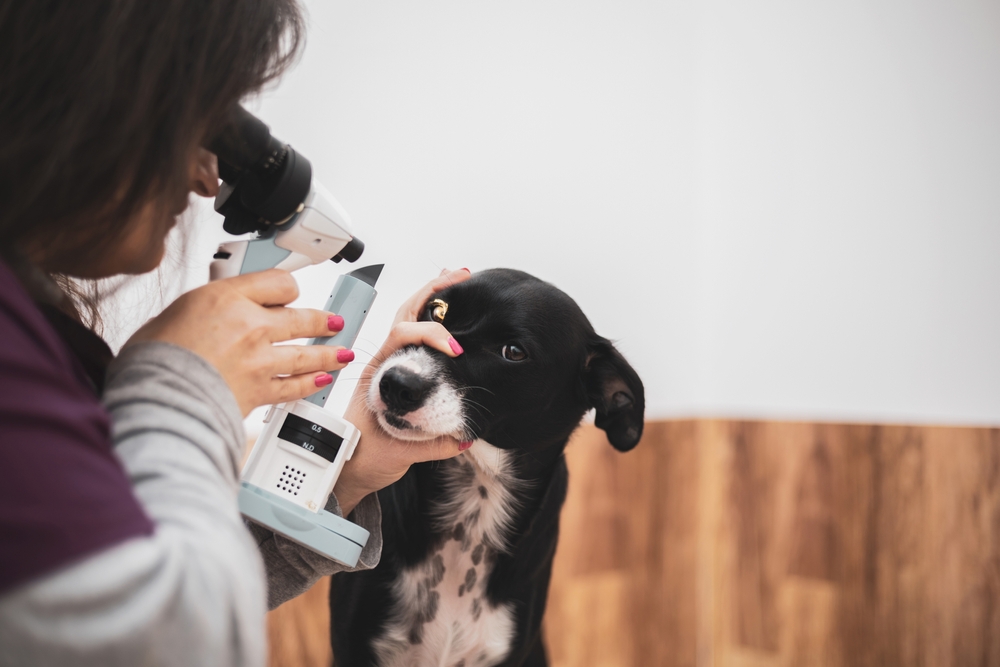
Frequently Asked Questions About Pet Eye Problems
My Pet’s Eye Looks a Little Red. Should I Wait or Come In?
The honest answer is that an exam is the only reliable way to know. Mild redness from dust or a brief irritant can clear within a day, but the same appearance can also be the first sign of a corneal ulcer, glaucoma, or a foreign body, where waiting costs vision rather than just time. If the redness comes with squinting, holding the eye closed, discharge, cloudiness, or any visible change in the eye itself, that pushes it firmly into same-day territory. Even without those signs, redness that has not cleared by the next morning is worth a visit.
Can I Use Human Eye Drops on My Pet?
No. Many human eye drops are either ineffective or actively harmful for pets, including some that constrict blood vessels and can cause serious problems if a pet has glaucoma. Even artificial tears formulated for humans can mask a developing problem while providing only superficial relief. Stick to medications we have prescribed specifically for your pet, and if you have leftover drops from a previous eye issue, check with us before using them again rather than assuming they apply to the new situation.
Why Do My Pet’s Eyes Water So Much?
Watery eyes have a long list of possible causes, from blocked tear ducts and allergies to structural problems like entropion or distichiasis to chronic conditions like dry eye (which can paradoxically cause watering as the body overcompensates). Persistent watering is worth investigating since the underlying cause shapes the treatment entirely, and tear staining without an identified cause often signals a quiet structural issue rather than a cosmetic one.
Are Eye Problems More Common in Some Breeds?
Yes, significantly. Flat-faced breeds like Bulldogs, Pugs, Persians, and Shih Tzus have shallow eye sockets that predispose them to corneal ulcers, dry eye, pigmentary keratitis, and proptosis. Cocker Spaniels and Basset Hounds carry higher rates of glaucoma. German Shepherds are the classic pannus breed. Bulldogs, Beagles, and Bostons see more cherry eye. Knowing your breed’s risk profile helps you recognize problems early, and we factor breed into the preventive eye care plan at every wellness visit.
My Older Pet’s Eyes Look Cloudy. Is It Cataracts?
Possibly, but more often it is nuclear sclerosis, the normal age-related hardening of the lens that gives older pets a slightly bluish-gray look without affecting vision much. The two need to be distinguished because cataracts can progress to functional blindness while nuclear sclerosis does not, and a sudden cloudiness in a previously clear eye is worth getting checked sooner rather than later, especially since sudden bilateral cataracts can be the first visible sign of diabetes.
Protecting Pet Vision and Taking the Next Step
A small amount of redness or squinting can quickly become something more serious, and prompt attention is the best way to protect your pet’s vision and prevent lasting damage. The hardest part for owners is the triage question of watch-and-see versus get-in-now, and the honest answer is often that an exam is the only reliable way to know, since waiting on something serious is far worse than coming in for something minor.
If your pet’s eye looks different today, contact us and we will get you seen. Same-day appointments handle exactly this kind of “is this an emergency” question, and our team is here to help you decide.