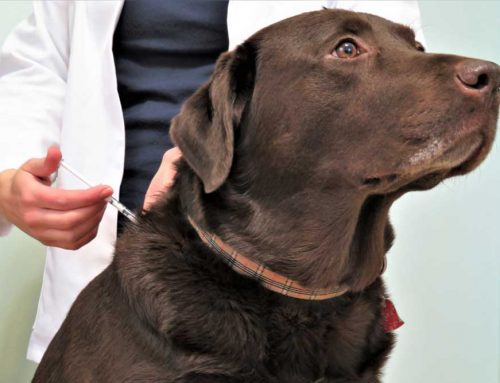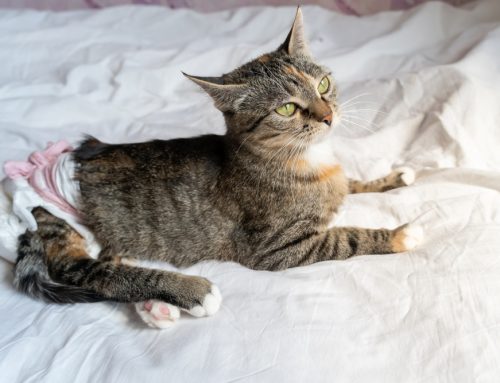
Heart disease in dogs and cats can often be diagnosed long before a pet becomes seriously ill, but the earliest signs are usually subtle. A dog who tires more quickly on walks, develops a cough that’s most noticeable at night, or a cat who quietly becomes less active or starts breathing a little faster while resting may all be showing early signs of heart disease. Sometimes, though, the first clue is one you would never notice at home: a heart murmur or abnormal rhythm detected during a routine examination. Once heart disease is suspected, testing helps determine exactly what’s happening and how advanced it is. For many pets, treatment simply means starting daily medication that keeps them comfortable and active for years.
At State of the Heart Veterinary Care, caring for pets in Denver with heart disease is what we do every day. We offer in-house echocardiography, ECG, blood pressure testing, and advanced imaging so we can evaluate your pet’s heart without unnecessary delays. If we detect a murmur or abnormal rhythm, we’ll determine the underlying cause and develop a treatment plan that’s tailored to your pet. If your dog has been coughing or tiring more easily, or your cat has become quieter than usual, request an appointment and we’ll take a careful look.
The Heart of the Matter
- Heart disease isn’t a single diagnosis. Valve disease, heart muscle disease, and abnormal heart rhythms all require different treatment approaches.
- Early signs are often subtle, including reduced stamina, a new cough, faster breathing while resting, or behavior changes that are easy to mistake for aging.
- Tracking your pet’s resting respiratory rate at home is one of the most valuable things you can do. A rate consistently above 40 breaths per minute deserves a same-day call to us.
- While heart disease usually can’t be cured, medication and regular monitoring allow many pets to stay comfortable and active for years.
What Types of Heart Disease Affect Dogs and Cats?
Heart disease isn’t one condition. It includes valve disease, abnormalities of the heart muscle, and disorders of the heart’s electrical system. Dogs and cats can develop many of the same categories of heart disease, but the conditions we diagnose most often are different between the two species.
Knowing exactly which type of heart disease your pet has is important because it guides everything that follows, from the medications we recommend to how often we’ll want to monitor progress.
What Heart Conditions Are Most Common in Dogs?
The most common heart disease in dogs is mitral valve disease, in which the valve between the left chambers of the heart no longer closes tightly, allowing blood to leak backward with each heartbeat. It most often affects small- and medium-sized breeds and usually progresses slowly, giving us a valuable opportunity to diagnose and manage it before heart failure develops.
Dilated cardiomyopathy (DCM) is different. In this condition, the heart muscle weakens and the chambers enlarge, making it harder for the heart to pump blood effectively. DCM is much more common in large and giant breed dogs.
A third category includes arrhythmias, or abnormal heart rhythms, which may occur on their own or alongside structural heart disease. Whatever the diagnosis, treatment is generally most successful when we identify the disease before it progresses to heart failure.
What Heart Conditions Are Most Common in Cats?
The most common heart disease in cats is hypertrophic cardiomyopathy (HCM), in which the heart muscle becomes abnormally thick. As the walls thicken, the chambers hold less blood and the heart can’t fill as efficiently. Many cats develop HCM gradually and show no obvious signs until the disease is fairly advanced.
Restrictive cardiomyopathy, in which the heart muscle becomes stiff and doesn’t relax normally, is less common but can cause similar problems. Cats can also develop dilated cardiomyopathy, although it’s uncommon today.
One important difference between dogs and cats is that cats are exceptionally good at hiding illness. They often compensate until heart disease is quite advanced, which is why even subtle changes in behavior or activity deserve attention.
Which Pets Are Most at Risk for Heart Disease?
Heart disease is most commonly diagnosed in middle-aged and senior pets, although some forms can develop much earlier in life. Size also plays an important role. Small- and medium-sized dogs are more likely to develop valve disease, while large and giant breeds have a higher risk of cardiomyopathy. Breed genetics add another important piece of the picture.
Some breeds are predisposed to specific cardiac conditions, making an understanding of breed-specific health risks an important part of preventive care. For pets with known cardiac risk factors, we incorporate that information into routine annual wellness examinations so we can identify changes as early as possible.
What Are the Early Signs of Heart Disease in Dogs and Cats?
Early heart disease rarely causes dramatic symptoms. Instead, the first signs are often easy to dismiss as normal aging or a temporary off day. Dogs may tire more quickly during walks, develop a mild cough, or breathe a little faster while resting. Cats often become quieter, spend less time jumping onto favorite perches, or groom themselves less. Watching for gradual changes over time is often what leads to an early diagnosis.
The signs of heart disease in dogs commonly include a cough that’s most noticeable at night, when fluid can begin accumulating in the lungs. In cats, open-mouth breathing is never normal and always deserves prompt evaluation. Other subtle changes include:
- Breathing changes: Faster or more effortful breathing while your pet is resting or asleep, not just after exercise.
- Nighttime restlessness: A pet who no longer sleeps comfortably through the night or seems unable to settle.
- Appetite and weight changes: Eating less or gradually losing weight over several weeks.
- Behavior changes in cats: Hiding more, interacting less, or neglecting grooming, especially over the lower back or other hard-to-reach areas.
Sometimes the earliest sign isn’t something you notice at home at all. A heart murmur or abnormal rhythm detected during a routine examination is often what leads to further testing and an early diagnosis.
What Heart Symptoms Are an Emergency?
Some heart symptoms should never wait for a scheduled appointment. A pet with heart disease can go from stable to seriously ill within hours, so it’s important to recognize the signs that need immediate veterinary care.
Open-mouth or labored breathing at rest, a resting respiratory rate consistently above 40 breaths per minute, and pale or blue-tinged gums are all signs of respiratory distress and require immediate evaluation. Sudden collapse or profound weakness is also an emergency.
In cats, sudden weakness or paralysis of the back legs, especially if accompanied by pain or crying out, may indicate a saddle thrombus, a blood clot that travels from the heart and blocks blood flow to the hind limbs. This condition worsens quickly and requires emergency care.
During our regular business hours, we provide same-day urgent care for dogs and cats in Denver and can stabilize critically ill patients before transfer if a higher level of care is needed. If these signs develop after hours, head directly to the nearest veterinary emergency hospital.
How Is Heart Disease Diagnosed?
Diagnosing heart disease starts with a careful physical examination and progresses to advanced testing when needed. Each test answers a different question, helping us determine not only whether heart disease is present, but also which type your pet has and how advanced it is.
| Test | What it looks at |
|---|---|
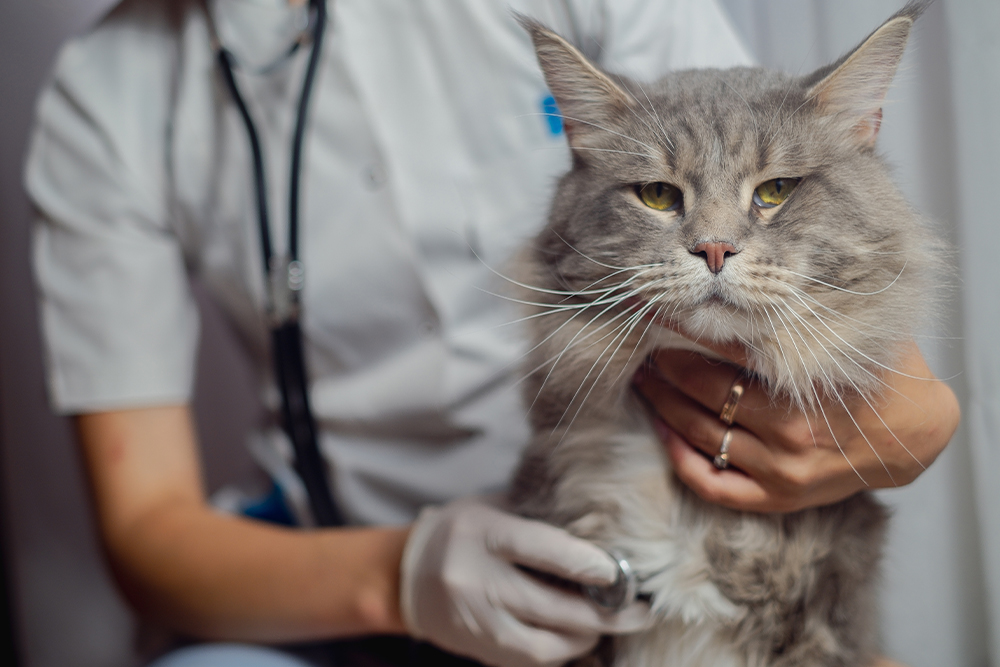
| Auscultation | Murmurs, gallop rhythms, and abnormal lung sounds heard through the stethoscope |
| Chest radiographs | Heart size and whether fluid is building up in or around the lungs |
| Bloodwork | Overall health, organ function, and conditions that can worsen heart disease |
| Blood pressure | High blood pressure that can stress the heart and other organs |
| Echocardiogram | Heart wall thickness, chamber size, valve function, and how the heart contracts and relaxes |
| NT-proBNP | A blood marker that rises when the heart is under stress |
Most cardiac evaluations combine several of these tests rather than relying on any single result. At State of the Heart Veterinary Care, we start with digital chest radiographs, allowing us to move quickly from suspicion to diagnosis. When chest radiographs or symptoms lead to a diagnosis of heart disease, we perform echocardiography, blood pressure testing, and ECGs on site with the support of visiting specialists.
How Is Heart Disease Treated in Dogs and Cats?
Although heart disease usually can’t be cured, it can often be managed successfully for years. Treatment depends on your pet’s specific diagnosis and stage of disease, not simply the presence of a heart murmur. As the disease changes over time, medications and monitoring schedules often change as well.
The medications used to treat heart disease generally fall into several categories. Some reduce the heart’s workload, some remove excess fluid when congestive heart failure develops, some improve the heart’s pumping ability, and others help reduce the risk of blood clots in cats with enlarged heart chambers. Pimobendan is one commonly prescribed medication that helps the heart pump more efficiently in many patients.
We’ll recommend a treatment plan based on your pet’s diagnosis, lifestyle, and what you feel confident managing at home. If daily pills become difficult, options such as flavored compounded medications, liquids, or transdermal formulations may make treatment much easier.
What Complications Should You Watch For as Heart Disease Progresses?
As heart disease progresses, complications can develop even in pets that have been stable for months or years. The most common is congestive heart failure, in which fluid begins accumulating in or around the lungs. High blood pressure and other medical conditions, including kidney disease and hyperthyroidism in cats, can also make heart disease more challenging to manage.
Some of the complications we monitor for include:
- Congestive heart failure: Fluid accumulates in or around the lungs as the heart loses its ability to compensate, causing rapid or labored breathing that can develop quickly.
- Systemic hypertension: High blood pressure places additional strain on the heart while also damaging organs such as the kidneys and eyes.
- Concurrent disease: Conditions such as hyperthyroidism and kidney disease can complicate treatment because medications that benefit one organ system sometimes affect another, making regular bloodwork especially important.
The goal isn’t to make you worry about every possibility. It’s to help you recognize meaningful changes early, when adjustments to treatment are most likely to keep your pet feeling well.
How Do You Monitor a Cardiac Pet at Home?
One of the most valuable things you can do at home is monitor your pet’s resting respiratory rate. An upward trend is often the earliest sign that fluid is beginning to build up around the lungs. Count your pet’s breaths while they’re sleeping, record the number, and repeat it regularly so you’ll notice gradual changes. Weekly weight checks and keeping track of appetite, energy level, and coughing are helpful too.
To measure the resting respiratory rate, wait until your pet is fully asleep. Count one complete breath (an inhale and an exhale) for 60 seconds, then write the number down. If your pet won’t stay asleep that long, count for 15 seconds and multiply by four.
Here’s how to interpret the results:
- Under 30 breaths per minute: Normal. Continue monitoring.
- 30 to 40 breaths per minute: Higher than expected. Recheck in a few hours, and call us if it remains elevated.
- Over 40 breaths per minute: Contact the clinic the same day.
- Open-mouth breathing at any rate in a cat: This is an emergency. Seek veterinary care immediately.
It’s equally helpful to note changes in appetite, energy level, coughing, or behavior over time. If anything concerns you, schedule a same-day examination so we can determine whether your pet’s treatment plan needs to be adjusted.
Why Does Routine Screening Catch Heart Disease Before Symptoms Appear?
Routine wellness examinations often identify heart disease before pets develop obvious symptoms, giving us the greatest opportunity to slow progression and maintain quality of life. Listening to the heart at every visit allows us to detect new murmurs or rhythm changes early, while comparing findings over time helps us recognize gradual changes that might otherwise go unnoticed.
For senior pets and breeds with a higher cardiac risk, preventive screening may also include NT-proBNP testing or advanced imaging when appropriate.
Once heart disease has been diagnosed, most pets benefit from rechecks every three to six months, although the schedule depends on the type and stage of disease. Detecting a murmur during a routine wellness visit gives us far more treatment options than waiting until congestive heart failure develops. That’s one of the biggest benefits of regular senior wellness examinations: they allow us to diagnose disease earlier, when we have more opportunities to help.
Frequently Asked Questions About Heart Disease in Pets
These are some of the questions we hear most often after a pet is diagnosed with heart disease.
Can a dog or cat live a normal life with heart disease?
Many can, especially when heart disease is diagnosed early and managed consistently. With the right medication and regular monitoring, many dogs and cats remain comfortable and active for years. The outlook depends on the specific diagnosis and stage of disease, but our goal is always the same: helping your pet enjoy the best possible quality of life for as long as possible. We’ll walk you through your pet’s individual prognosis and treatment plan so you know what to expect.
Does a heart murmur always mean heart disease?
Not necessarily. A heart murmur simply means blood flow through the heart is creating an audible sound. Some murmurs, particularly in young animals, are harmless and never cause problems. Others are caused by valve disease, heart muscle disease, or another underlying condition that requires treatment.
A murmur alone doesn’t tell us the cause, which is why we often recommend additional testing, such as an echocardiogram, to determine exactly what’s happening.
My cat seems fine. Could it still have heart disease?
Yes. Cats are exceptionally good at hiding illness, and heart disease often progresses for months or even years before obvious signs appear. Sometimes the first indication is a murmur detected during a routine examination or a subtle increase in resting respiratory rate at home.
That’s why regular wellness visits and paying attention to small changes in your cat’s activity, breathing, or behavior are so important, even when they otherwise seem perfectly healthy.
Caring for Your Pet’s Heart Together, for the Long Haul
Heart disease is usually managed rather than cured, and the pets that do best are supported by owners who stay engaged throughout treatment. Learn the early warning signs, monitor your pet’s resting respiratory rate at home, and keep up with recommended recheck appointments, even when everything seems to be going well.
Just as importantly, let us know when something changes. Small differences in breathing, energy level, appetite, or coughing often give us the opportunity to adjust treatment before they become a crisis.
If you’ve noticed changes in your pet, or you’d simply like to establish a baseline before problems develop, schedule a cardiac evaluation. We’ll take the time to evaluate your pet carefully, answer your questions, and help you build a long-term plan for keeping their heart as healthy as possible.