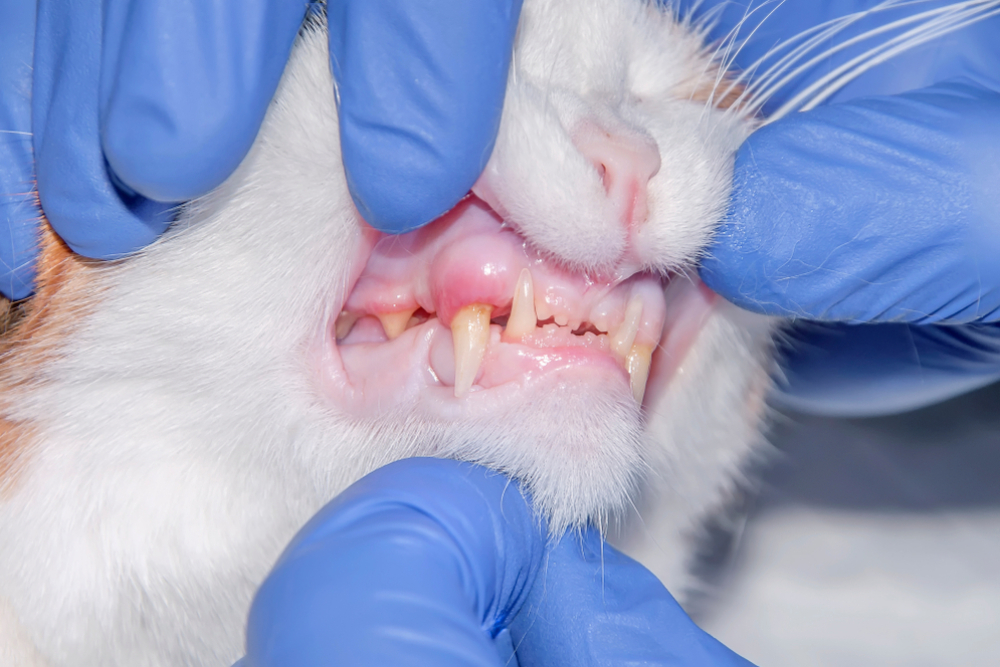
Anesthesia-free dental cleanings may feel like a good option, but the reality is far from it. Humans mostly get their dental care without needing anesthesia, so it feels intuitive that pets could have a similar experience. When we consider what’s actually happening during an anesthesia-free dental cleaning, however, we can see the real risks involved. They only scrape the visible outside of the tooth and leave the real disease untouched below the gumline, where cavities, infected roots, and bone loss actually live. The pet is held still by a stranger with a sharp instrument scraping their teeth, which can be terrifying for many dogs and cats. You may see a fresher-looking smile, but you haven’t treated anything that matters medically and possibly made things worse.
Affordable, accessible care is the standard we hold ourselves to at State of the Heart Veterinary Care in Denver, which is why we offer three tiers of comprehensive dental care for dogs and cats so a full workup fits more families’ budgets. Our team pairs dental X-rays with a tooth-by-tooth oral exam under anesthesia, so we treat what is actually causing pain instead of polishing over it. Blood pressure monitoring, in-house bloodwork before the procedure, and a doctor-driven treatment plan let us keep the anesthesia side as safe as possible. If you are weighing an anesthesia-free option against a real dental, reach out and we will walk you through which tier fits your pet and your budget.
What Matters Most
- Anesthesia-free cleanings scrape only the visible crown of the tooth and cannot touch the disease that lives below the gumline, so they make the mouth look better without treating what is actually wrong.
- Roughly two-thirds of every tooth sits under the gums, and the roots, bone, and hidden infection there can only be evaluated with dental X-rays and probing, both of which require a still, sedated patient.
- An awake pet held down for scraping faces real risks, including gum and tooth injury, aspiration, and lasting fear of handling, all without any pain control.
- Modern anesthesia is individualized, closely watched, and safe for most pets, even seniors, when it is paired with pre-anesthetic bloodwork and blood pressure monitoring.
What Is an Anesthesia-Free Dental Cleaning, Exactly?
A non-anesthetic dental, sometimes called a NAD, is a procedure where an awake pet is physically restrained while someone scrapes tartar off the parts of the teeth you can see. There is no sedation, no breathing tube, and no imaging. The goal is a whiter-looking smile, and on that narrow measure, it often delivers. The trouble is that a spotless crown and a healthy mouth are not the same thing.
The core problem with anesthesia-free dentals is that scraping an awake pet only reaches the visible crown, while the disease that actually threatens the tooth lives below the gumline where no scaler can go without full sedation. So the mouth photographs beautifully while an infected root keeps doing damage nobody can see.
That is what makes these procedures quietly risky. A shiny tooth can convince a loving family that the problem is handled, which delays the real dental their pet needs. We hold ourselves to a higher standard than appearances, which is why our approach to oral health starts with what is happening under the gums, not on top of them.
What Does an Anesthesia-Free Cleaning Actually Feel Like for a Pet?
Picture your dog or cat pinned in place by people they have never met, unable to understand why, while metal instruments scrape near tender gums. There is no numbing, no way to explain what is happening, and no airway protection if bacteria-laden plaque and tartar heads toward the windpipe and into their lungs. For most pets, that is a genuinely frightening experience.
That stress is exactly why thorough pet dental care depends on a calm, sedated patient rather than a squirming one. A moving target is a dangerous one. When a pet flinches or pulls away mid-scrape, several things can go wrong at once.
- Gum and soft-tissue injury: A sharp scaler that slips on a squirming pet can cut the gums or lip.
- Tooth damage: Pressure applied to a tooth that already has hidden disease can chip or fracture it.
- Aspiration: Without a breathing tube, water, tartar, and bacteria can be inhaled into the lungs and cause pneumonia.
- Behavioral fallout: A scary restraint session can make a pet fearful of mouth handling, tooth brushing, and future vet visits.
There is also a quieter risk. Someone focused on scraping visible tartar, without training in veterinary dentistry, can easily miss a fractured tooth, a growing mass, or advanced gum disease sitting right in front of them. We take a calmer road. Our team is known for gentle, experienced handling. If your pet is anxious about their mouth, we would rather talk through your pet’s comfort and sedation options than force anything.
What Dental Disease Hides Where an Awake Exam Cannot Reach?
The honest answer is: most of it. The majority of oral disease sits below the gumline and progresses silently, which means the part of the mouth that matters most is the part an awake, restrained pet will never let anyone examine properly. Without anesthesia, radiographs, and gentle probing, the real story stays hidden until it becomes an emergency.
Because about two-thirds of every tooth is buried below the gumline, dental X-rays are the only way to see the roots and surrounding bone, and they simply cannot be taken on a moving, awake animal. That single limitation is why a cosmetic scraping leaves so much on the table. Here is what routinely goes undetected without a sedated exam:
- Periodontal disease: The majority of periodontal disease develops silently beneath the gumline, quietly eroding the bone and ligament that anchor each tooth long before you notice anything is wrong.
- Oral tumors: A quick pass over the visible teeth can also miss oral tumors hiding at the back of the mouth or under the tongue, where early detection is the difference between a simple procedure and a serious diagnosis.
- Fractured teeth: Even fractured or worn teeth often look normal from the outside while the exposed nerve inside causes real pain, and confirming the damage takes probing and radiographs an awake pet cannot sit through.
- Tooth root abscesses and oronasal fistulas: Left alone, a bad tooth root can seed infection deep enough to form abscesses in the jaw and behind the eye, and damage in the upper canines can even wear an opening between the mouth and the nose, causing chronic nasal discharge until the offending tooth is addressed.
- Jaw fractures: In tiny or senior patients, years of untreated bone loss can hollow out the lower jaw to the point that jaw fractures happen during something as ordinary as chewing a toy.
That is a long list of serious problems, and every one of them is invisible to an untrained scaler working on the enamel. This is where the right tools earn their keep. Our team uses advanced diagnostic imaging to see the roots, bone, and hidden disease a surface cleaning skips entirely, so we can treat the source of the pain. On-site digital dental radiography captures each tooth, all the way down to the jawbone, in the same visit.
Why Is a Dental Under Anesthesia the Safe and Thorough Choice?
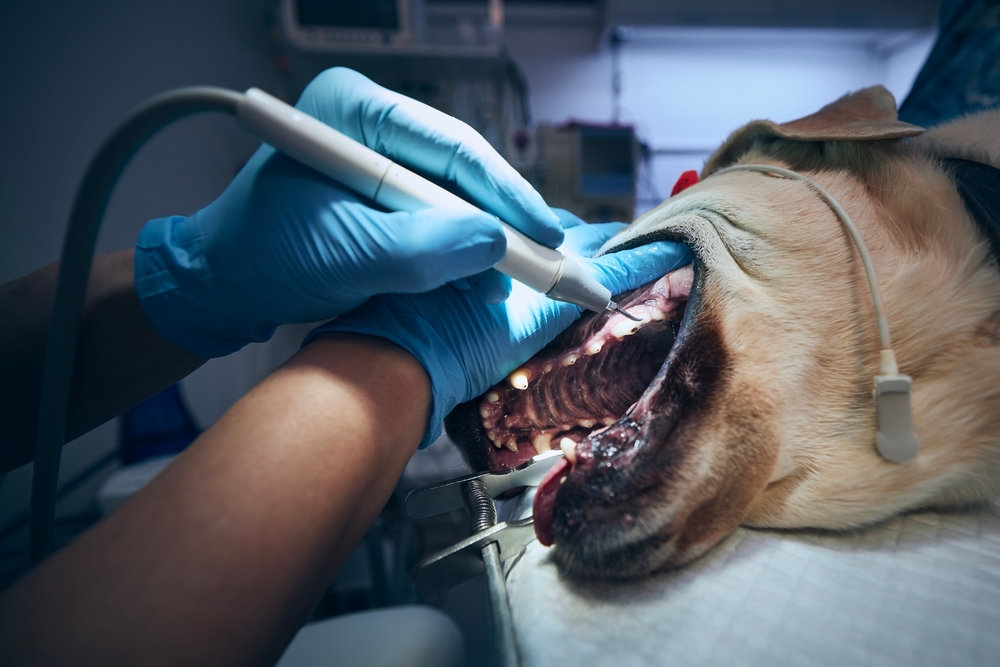
A dental cleaning under anesthesia is the only way to evaluate and treat the whole mouth, above and below the gumline, in a single calm visit. It sounds like the bigger intervention, and in a sense it is. It is also the humane one, because anesthesia and a proper dental cleaning are what make full-mouth radiographs possible, so you are never gambling on a partial job.
What Actually Happens During an Anesthetic Dental?
A full dental appointment is a sequence of careful, deliberate steps, each one doing a job a non-anesthetic cleaning simply cannot.
| Step | What happens | Why it matters |
| Induction and airway | Your pet is gently sedated and a breathing tube is placed | Protects the lungs from water, tartar, and bacteria |
| Full-mouth imaging | Dental X-rays capture every root and the surrounding bone | Reveals the two-thirds of each tooth hidden below the gums |
| Tooth-by-tooth exam | Each tooth is probed for pockets, mobility, and fractures | Finds disease no quick visual check can catch |
| Scaling below the gumline | Tartar is removed from under the gums, not just the crown | Treats where periodontal disease actually starts |
| Polishing | The enamel is smoothed after scaling | Slows how fast new plaque sticks |
| Treatment | Extractions, mass removals, or periodontal therapy as needed | Removes the source of pain and infection |
| Pain control | Local blocks and multimodal medications throughout | Keeps your pet comfortable during and after |
Because your pet is asleep and comfortable, none of this is frightening or painful for them. They wake up to a mouth that is genuinely healthier, not just cleaner-looking. If you would like to see which of our tiers covers the care your pet needs, we are glad to walk you through it before you commit.
Is Modern Anesthesia Really Safe?
For most pets, yes, and it is safer than many families expect. Anesthesia today is not one-size-fits-all. We build the plan around your individual pet, starting with a physical exam and pre-anesthetic bloodwork to check organ function, then choosing drugs suited to their age and health. Blood pressure, heart rhythm, oxygen levels, and temperature are monitored continuously by trained staff throughout the procedure.
Most pets go home the same day, a little sleepy and ready for a quiet evening. Age alone is not a disqualifier either. Senior pets can be anesthetized safely when we screen carefully and tailor the plan, and this is an area of particular focus for us, with Dr. Daughtry guiding those decisions. The real risk for an older pet is usually leaving a painful, infected mouth untreated year after year.
How Does a Clean Mouth Affect the Rest of Your Pet’s Body?
The mouth is not sealed off from the rest of the body. When infection and inflammation live in the gums, they place a steady burden on the whole system, and clearing them during a proper dental removes a source of chronic stress that can quietly affect overall wellbeing. A healthy mouth is part of a healthy pet.
The best results come from teaming up professional cleanings with daily care at home. Brushing is the gold standard, but it is not the only tool. Daily home care holds the results of a dental far longer, and choosing products proven to slow plaque and tartar takes the guesswork out of which chews, rinses, and diets actually earn their place. We will fold a check of your pet’s teeth into their routine wellness exams, so we can flag trouble early and suggest a cleaning schedule and home-care products that fit your pet’s specific risk factors, breed, and age.
What If You Are Still Nervous About Anesthesia?
Feeling anxious about putting your pet under is completely normal, and it usually comes from love, not misunderstanding. The most reassuring facts are the concrete ones: the plan is built around your individual pet, monitoring is continuous, complication rates in healthy patients are low, and the alternative, an untreated infected mouth, carries real health risks of its own. Weighed honestly, a well-run dental is the safer path.
The best thing you can do is talk it over with us. Bring your worries to the exam room, ask every question, and let us walk you through exactly how we keep your pet safe from induction to recovery. Because affordable care matters here, we offer three tiers of dental cleanings to fit your budget, so cost does not have to stand between your pet and the care they need. Your comfort level is part of the plan, not an afterthought.
Frequently Asked Questions About Pet Dental Cleanings
Will an anesthesia-free cleaning at least buy my pet some time?
Not in any meaningful way. Because it only removes tartar from the visible crown, it does nothing about the disease below the gumline that actually destroys teeth. It can even work against your pet by making the mouth look healthy, which delays the real dental they need. If anything, the time it buys is time for hidden disease to keep progressing.
My pet is a senior. Is anesthesia too risky at their age?
Age by itself is not a reason to avoid anesthesia. What matters is your pet’s overall health, which we assess with a physical exam and pre-anesthetic bloodwork before we plan anything. With careful screening, individualized drug choices, and continuous monitoring, most senior pets handle anesthesia well. Often the bigger risk is leaving a painful, infected mouth untreated for the rest of their life.
How can I tell if my pet has a dental problem I cannot see?
You often cannot, and that is exactly the point. Bad breath, reluctance to chew, dropping food, pawing at the mouth, or drooling can all signal trouble, but many pets show nothing until the damage is advanced. Because most dental disease is invisible from the outside, a sedated exam with dental X-rays is the only reliable way to know what is really going on in there.
Give Your Pet a Mouth That Feels as Good as It Looks
Anesthesia-free cleanings are incomplete, stressful, and, despite the tidy-looking result, they leave the disease that actually hurts your pet in place. A dental under anesthesia is the humane, thorough path: gentle sedation, full-mouth imaging, treatment below the gumline, and pain control from start to finish. That is how a mouth ends up genuinely healthy, not just camera-ready.
If your pet is overdue or you have been putting off a dental out of cost or worry, we would love to help you sort out which of our budget-friendly tiers fits. Reach out to schedule your pet’s dental exam, and we will build a plan that keeps your pet safe, comfortable, and pain-free.