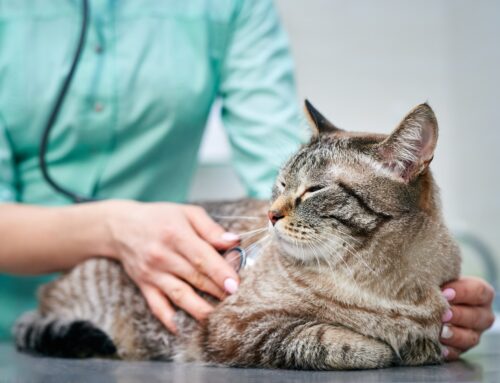
Pet allergies are one of the most common reasons dogs and cats visit our Denver veterinary clinic. If your pet is constantly scratching, dealing with ear infections, or developing irritated skin, allergies may be the underlying cause. Understanding pet allergies in Denver means recognizing how our dry climate, Front Range pollen, and seasonal winds can affect your animal’s immune system.
At State of the Heart Vet, we focus on comprehensive care that identifies the root cause of your pet’s symptoms rather than simply masking discomfort. Under the leadership of Dr. Justin Daughtry, whose background combines advanced medical training with years of rehabilitation experience, our team provides thorough diagnostics and customizable treatment solutions in a modern, state-of-the-art facility in the Denver Tech Center.
This guide explains what pet allergies are, how Colorado’s environment plays a role, how to distinguish seasonal from year-round issues, and what treatment options are available.
This Article Will Address
- What pet allergies are and how they affect dogs and cats in Denver
- The most common pet allergies in the Denver metro area
- How Colorado’s climate contributes to allergic reactions
- The difference between seasonal and year-round allergies
- Available treatment options for pet allergies
- What to expect during an allergy appointment
- When allergy symptoms require urgent veterinary care
What Are the Most Common Pet Allergies in Denver?
In Denver, we commonly diagnose several types of pet allergies. Each has distinct triggers, but they often present with similar symptoms.
Environmental allergies are the most frequent. These are reactions to airborne substances such as tree pollen, grass, weeds, mold spores, and dust mites. Along the Front Range, tree pollen in the spring and weed pollen in late summer and fall can significantly impact sensitive pets.
Flea allergy dermatitis is another common condition. Though the population of fleas in Denver is considered lower than the rest of the country, due to its elevation and dry weather, even a single flea bite can expose your pet’s immune system to flea saliva, which can trigger intense itching in susceptible animals.
Food allergies, though less common than environmental allergies, can cause persistent skin irritation or gastrointestinal upset.
Mold sensitivity, dust exposure, and contact allergies to certain cleaning agents or outdoor plants may also play a role.
Common Symptoms of Allergies in Dogs and Cats
Regardless of the trigger, allergic pets often show similar clinical signs:
- Persistent itching or scratching
- Recurrent ear infections
- Red, inflamed, or thickened skin
- Hair loss or bald patches
- Excessive paw licking
- Gastrointestinal upset such as vomiting or diarrhea
If your dog or cat in Denver is experiencing these symptoms, a thorough veterinary evaluation is essential to determine the underlying cause.
What Causes Pet Allergies in Colorado’s Climate?
Colorado’s unique climate plays a significant role in allergic disease.
Dry air can compromise the natural skin barrier, making pets more vulnerable to irritants. Seasonal winds distribute pollen across the metro area, increasing exposure even for indoor pets. During colder months, indoor heating systems circulate dust and allergens that can contribute to year-round irritation.
Common Colorado and Denver-Area Allergy Triggers by Season
Spring
Tree pollen is a leading trigger during this time.
Summer
Grasses and outdoor activity increase allergen exposure.
Fall
Weed pollen becomes more prominent.
Winter
Indoor dust mites, mold, and dry air can maintain symptoms even when pollen counts drop.
Understanding these patterns helps us create targeted, customizable treatment plans for pets in Denver.
How Can I Tell If My Pet Has Seasonal vs Year-Round Allergies?
Recognizing patterns is key. Seasonal allergies typically flare during specific times of year and improve as pollen levels decline. Year-round allergies may indicate indoor allergens or food sensitivities.
If symptoms persist throughout all seasons, we may evaluate for dietary causes or environmental factors inside the home. Tracking flare-ups, changes in environment, and diet provides valuable diagnostic clues.
Pet Allergy vs Skin Infection vs Mange: What Owners Often Confuse
Allergies frequently lead to secondary bacterial or yeast infections. These infections can intensify itching and redness, making the condition appear more severe.
Mange, caused by mites, can also resemble underlying skin allergies. Accurate diagnosis requires physical examination, cytology, and sometimes skin testing. At State of the Heart Vet, our advanced diagnostics allow us to differentiate these conditions efficiently and accurately.
What Treatment Options Are Available for Pet Allergies?
Effective allergy management begins with identifying the cause.
Treatment options may include:
- Cytology and diagnostic testing to confirm infection or inflammation
- Allergy trials to isolate triggers
- Prescription antihistamines or anti-inflammatory medications
- Prescription anti-itch medications
- Antibiotics and/or antifungal medications in the event of a secondary skin infection with a skin allergy
- Immunotherapy for long-term allergy management
- Dietary trials for suspected food allergies
- Strict flea prevention
- Medicated shampoos and topical therapies
Our goal is not temporary relief but long-term comfort and improved quality of life.
Comprehensive Allergy Care at State of the Heart Vet
We provide in-house diagnostic testing, radiology, and advanced medical evaluations in our modern Denver facility. This reduces the need for outside referrals and allows us to deliver coordinated, first-class service under one roof.
Our customizable solutions are designed around your pet’s medical history, environment, and lifestyle. With access to an online pharmacy for direct medication delivery, ongoing allergy management becomes more convenient for Denver families.
What Will My Veterinarian Evaluate During an Allergy Appointment?
A thorough evaluation is essential for accurate diagnosis. During your visit, we will assess:
- Complete medical history
- Diet and treat history
- Home and outdoor environment
- Physical examination findings
- Diagnostic testing results
To help us provide comprehensive care, consider bringing:
- Photos of flare-ups
- Notes on symptom timing
- A list of current foods and treats
- Information about seasonal changes
This collaborative approach allows us to create effective, customized treatment plans.
When Should I Seek Immediate Veterinary Care for Allergy Symptoms?
While most allergy cases are manageable, certain symptoms require urgent attention.
Seek immediate veterinary care if your pet experiences:
- Facial swelling
- Difficulty breathing
- Severe ear pain
- Open sores or rapidly spreading hot spots
- Lethargy or sudden behavioral changes
For after-hours emergencies, clients are advised to contact Colorado Veterinary and Specialty Group or Veterinary Emergency and Specialty Hospital.
Denver’s Trusted Source for Comprehensive Pet Allergy Care
At State of the Heart Vet, we believe allergy care should be thorough, compassionate, and grounded in advanced medical understanding. Dr. Justin Daughtry and our team are proud to provide comprehensive veterinary care in a state-of-the-art facility conveniently located in the Denver Tech Center with easy access from I-25.
If your pet is struggling with itching, ear infections, or ongoing skin irritation, we invite you to schedule an appointment. Our professional team is committed to delivering customizable solutions that restore comfort and strengthen the bond you share with your pet.
Contact State of the Heart Vet in Denver, CO by phone or email to book your visit today.
Sources

Dr. Daughtry
Dr. Daughtry has been passionate about caring for others from a young age, first through his love of horses and later as a physical therapist before pursuing veterinary medicine. After earning his degree with honors from the University of California-Davis School of Veterinary Medicine, he has devoted his career to helping pets live healthier, happier lives, with special interests in geriatric care, feline health, surgery, and dentistry. Outside of work, he enjoys skiing, hiking, and bird watching with his wife, Julie, and their son, Asher, while exploring all that Colorado’s outdoors has to offer.