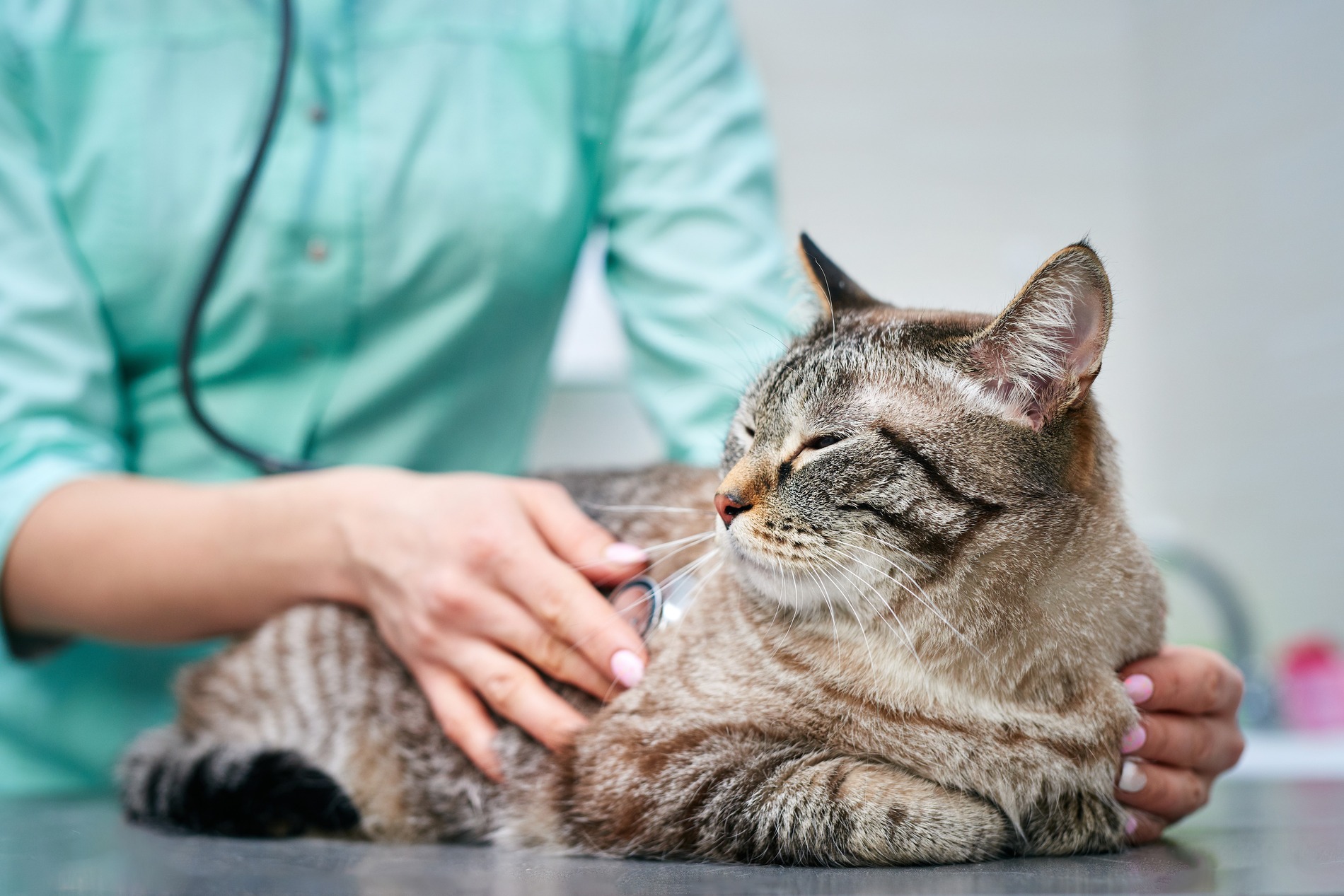
At State of the Heart Vet, we understand that veterinary care is both an emotional and financial commitment. Many Denver pet owners ask whether pet insurance is the best option or if there are other affordable ways to plan for their pet’s care. The answer depends on your pet’s health, lifestyle, and your preferences for managing veterinary expenses.
Pet insurance generally works on a reimbursement model. Pet owners pay a monthly premium, meet a deductible, and then receive partial reimbursement after paying for care out of pocket. Insurance can be helpful for unexpected illnesses or injuries, but it is not always designed to support routine or preventive care.
Other affordability strategies focus on proactive planning, preventive medicine, and working closely with your veterinary team to manage care in a predictable and thoughtful way. No single approach works for every family, which is why we encourage informed, personalized decision-making.
As a Denver veterinary practice offering comprehensive in-house services, State of the Heart Vet is committed to helping pet owners understand their options and choose the path that best supports long-term health.
This Article will address
- How pet insurance works and what it typically covers
- Other affordable payment options for veterinary care
- How often pets should see a veterinarian to stay healthy
- How to choose the best payment plan for your pet’s needs
- When combining care strategies may make sense
What Does Pet Insurance Cover?
Pet insurance typically covers accidents and illnesses, such as injuries, infections, and certain chronic conditions. Coverage details vary by provider and plan, but most policies follow similar guidelines.
Common elements of pet insurance coverage include:
- Treatment for accidents and unexpected illnesses
- Diagnostic testing related to covered conditions
- Hospitalization and emergency care
Common exclusions often include:
- Pre-existing conditions
- Routine wellness exams and vaccinations
- Preventive care such as parasite prevention and dental cleanings
Most insurance plans require pet owners to pay the veterinary bill upfront and then submit a claim for reimbursement. Coverage limits, reimbursement percentages, and deductibles can vary widely. Pet insurance may be most beneficial for pets with higher risk factors or for families who want financial support during unexpected medical events.
What Other Payment Options Are Available for Pet Care?
Many pet owners in Denver choose alternatives or supplements to pet insurance that focus on prevention and planning. These options aim to reduce surprise expenses by prioritizing consistent care.
Affordable care strategies may include:
- Preventive wellness visits to detect concerns early
- Planning for routine services such as exams, vaccinations, and diagnostics
- Budgeting for veterinary care as part of long-term pet ownership
- Choosing a veterinary practice that offers comprehensive in-house services
At State of the Heart Vet, our advanced diagnostics, imaging, and treatment capabilities allow us to provide many services on-site. This approach helps minimize referrals and can reduce overall costs while maintaining continuity of care. Open conversations with your veterinary team are essential when exploring these options.
How Often Should My Pet See the Vet to Stay Healthy?
Routine veterinary visits play a key role in maintaining health and managing costs over time. Preventive care allows potential issues to be identified before they become more complex or costly.
General visit guidelines include:
- Puppies and kittens may need several visits during their first year
- Adult pets typically benefit from annual wellness exams
- Senior pets often require more frequent monitoring and diagnostics
Regular exams, diagnostic screenings, and dental evaluations help support long-term wellness. Consistent care can reduce the likelihood of emergency visits and help pet owners plan financially for their pet’s needs.
How Do I Choose the Best Payment Plan for My Pet?
Choosing the right approach depends on several factors unique to your pet and household. There is no universal solution, which is why personalized guidance matters.
Consider the following when making your decision:
- Your pet’s age, breed, and health history
- Lifestyle factors that may increase health risks
- Your comfort with monthly premiums versus planned care expenses
- The level of flexibility you want in managing veterinary costs
Working with a veterinarian who understands your pet’s medical needs can help you evaluate these factors and choose a strategy that aligns with your goals. We believe informed planning leads to better care outcomes and stronger partnerships between pet owners and their veterinary team.
Comparing Pet Insurance and Other Affordable Care Options
Comparing options side by side can make decision-making clear. Each approach serves a different purpose, and in some cases, combining strategies may be appropriate.
Common approaches include:
- Pet insurance, which supports unexpected illness or injury
- Preventive-focused care, emphasizing routine exams and early detection
- Planned wellness and diagnostics, designed to monitor health consistently
- Budgeting and proactive care strategies, which prioritize predictability
Some families choose to pair insurance with consistent preventive care, while others focus entirely on proactive veterinary planning. The right balance depends on your pet’s needs and your financial preferences.
Trusted Veterinary Guidance for Denver Pet Owners
Choosing how to manage your pet’s care is a personal decision that should be guided by professional insight and trust. At State of the Heart Vet, we focus on comprehensive, customizable veterinary care that supports both your pet’s health and your peace of mind.
If you are a Denver pet owner looking for guidance on pet insurance, preventive care, or other affordable options, we invite you to contact State of the Heart Vet. Our team is here to help you explore the best approach for your pet and your family.
Sources

Dr. Daughtry
Dr. Daughtry has been passionate about caring for others from a young age, first through his love of horses and later as a physical therapist before pursuing veterinary medicine. After earning his degree with honors from the University of California-Davis School of Veterinary Medicine, he has devoted his career to helping pets live healthier, happier lives, with special interests in geriatric care, feline health, surgery, and dentistry. Outside of work, he enjoys skiing, hiking, and bird watching with his wife, Julie, and their son, Asher, while exploring all that Colorado’s outdoors has to offer.