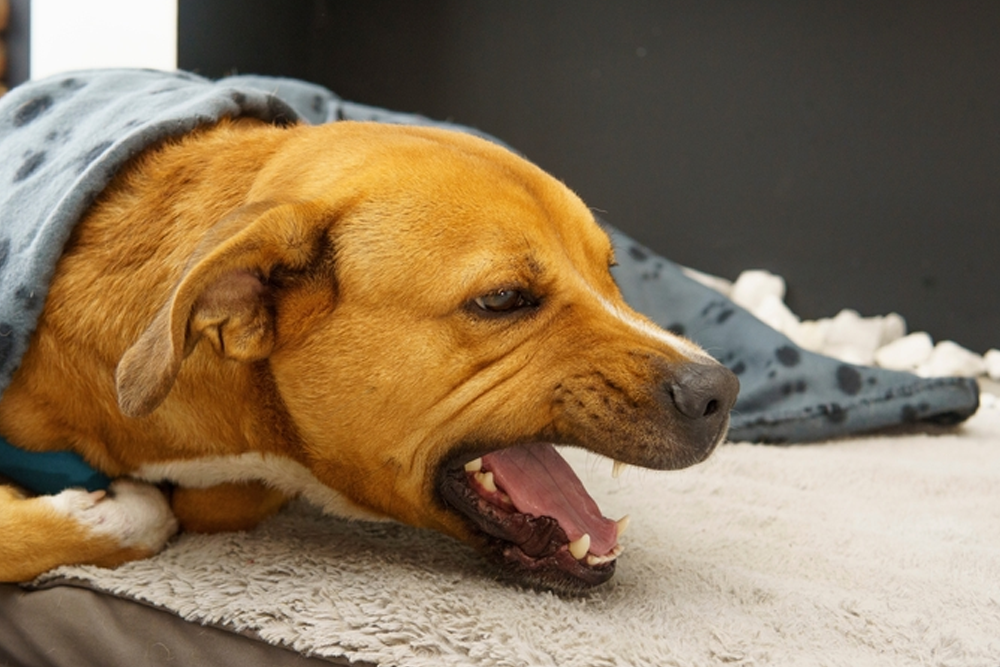
Every pet makes odd sounds now and then. A sneeze after sticking their nose in the garden, a brief snort when they get excited, or an occasional cough after drinking water too fast are all part of normal life. But when respiratory sounds become frequent, persistent, or change in character, they are often your pet’s way of telling you something is going on that needs attention. The challenge is knowing which sounds are worth a vet visit and which ones are just part of being a dog or cat.
At State of the Heart Veterinary Care, we evaluate respiratory concerns regularly and understand how worrying it can be to hear your pet struggling to breathe or coughing in the middle of the night. Our advanced diagnostics and same-day sick care in Denver allow us to investigate respiratory symptoms quickly and start treatment the same day when needed. If your pet’s breathing sounds have changed or you are hearing something that concerns you, call us at (720) 543-2320 or contact us to schedule an evaluation.
Coughing in Dogs and Cats
Not all coughs are equal, and the character of the cough often points toward the cause.
Dry, hacking cough after boarding or daycare: Kennel Cough (infectious tracheobronchitis or Bordetella) is a highly contagious respiratory infection producing a forceful, honking cough often triggered by activity or excitement. It is usually self-limiting but warrants evaluation if your pet becomes lethargic or is coughing excessively. Canine influenza is a related concern for dogs who frequent boarding facilities, daycares, and dog parks in the Denver area. Dog flu and Kennel Cough spread easily in shared spaces, causes coughing, nasal discharge, and lethargy, and can progress to pneumonia in some dogs. We recommend vaccination for Bordetella and Influenza for dogs in Denver with regular social exposure.
Honking cough in small dogs: Collapsed trachea produces a characteristic goose-honk sound, particularly during excitement or when collar pressure is applied. Yorkshire Terriers, Chihuahuas, Pomeranians, and Maltese are most commonly affected. Harnesses reduce trigger events; medical and sometimes surgical management improves quality of life.
Moist, productive cough in an older dog: May signal fluid accumulation from heart disease, pneumonia, or pulmonary edema. This type of cough, especially if accompanied by reduced exercise tolerance or faster resting breathing rate, warrants prompt evaluation. Colorado’s high elevation slightly increases cardiac strain, relevant context for dogs with pre-existing heart conditions.
Chronic or progressive cough without an obvious infectious cause: Cancer affecting the lungs or mediastinum can produce coughing, exercise intolerance, and weight loss that does not respond to antibiotics or standard treatments. A cough that persists despite appropriate treatment is a reason to pursue chest imaging.
Cats with neck extended, coughing low to the ground: Cats with asthma produce a very distinct posture during an episode: crouched low, neck extended, often with open-mouth breathing. Asthma attacks in cats can be life-threatening and warrant immediate evaluation during an active episode.
Panting in Cats: Not Normal, Not Okay
Dogs pant to cool down. Cats normally do not. Cat panting at rest, after minimal exertion, or in a comfortable environment is a signal that something is wrong. Causes include respiratory disease, heart disease, pain, severe stress, and heatstroke. A cat who is panting with their mouth open, breathing rapidly with visible effort, or extending their neck to breathe needs to be seen the same day. This is not a wait-and-see situation.
Sneezing and Nasal Discharge
An isolated sneeze after sniffing something dusty is harmless. Persistent sneezing, especially with discharge, is not.
Repeated sneezing with colored discharge: Points toward feline upper respiratory infection in cats (herpesvirus or calicivirus), or bacterial rhinitis in dogs. Yellow or green discharge indicates secondary bacterial involvement. The FVRCP vaccination for cats helps to prevent upper respiratory infections, which are common in cats coming from shelters or who have outdoor access.
Sudden onset nosebleed or sneezing fits: In Colorado’s outdoor environment, foxtails and grass awns can migrate into nasal passages during hiking season. A foreign body in the nose produces dramatic, sudden sneezing, often with pawing at the face. This requires prompt evaluation and typically removal under anesthesia. Bleeding from the nose and sneezing can also be a sign of auto-immune blood diseases and nasal tumors, so treat any nosebleed seriously.
Chronic nasal discharge or sneezing in cats, especially young cats: Nasopharyngeal polyps are benign growths that develop in the nasal passage or middle ear in cats, causing persistent sneezing, nasal discharge, noisy breathing, and sometimes head tilt or ear problems. They are more common in younger cats and can be mistaken for chronic upper respiratory infection that does not resolve with standard treatment. Removal is surgical and typically curative.
Sneezing with dental history: Oronasal fistulas form when upper tooth root infections erode through into the nasal passage, causing chronic nasal discharge and sneezing that does not respond to standard treatment. Our dentistry services include evaluation and treatment for these cases.
Reverse Sneezing
Reverse sneezing sounds dramatic: rapid, snorting inhalations that can make owners think the dog is choking. It is caused by irritation of the soft palate triggering a spasm of rapid inhalation. Common in small and brachycephalic breeds, usually completely benign, and resolves within a minute.
If your pet has an episode, video it. Seeing the behavior allows us to distinguish reverse sneezing from true respiratory distress and guide you on whether evaluation is needed.
Snoring and Snorting
Mild snoring in a dog is not inherently a concern. Sudden onset of loud snoring in a dog that previously did not snore, or snoring with gasping or pauses, warrants evaluation. Occasional snorting can be cute, but snorting with every breath is not okay.
Brachycephalic obstructive airway syndrome (BOAS) in French Bulldogs, English Bulldogs, Pugs, Boston Terriers, and Persian cats creates persistent airway restriction from narrowed nostrils, elongated soft palate, and sometimes a narrowed trachea. These dogs snore, snort, and struggle with exercise, and the condition worsens with obesity, excitement, and heat. Surgical correction of the anatomical components significantly improves quality of life in affected pets.
If you’re looking for surgical care for brachycephalic pets in Denver, we’ve got you covered.
Stridor: The Raspy Inhalation
Stridor is a harsh, raspy sound occurring during inhalation, indicating obstruction or narrowing at the level of the larynx (voice box) or upper airway. Laryngeal paralysis in older large-breed dogs (Labrador Retrievers, Golden Retrievers) produces progressive worsening inspiratory noise alongside exercise intolerance and voice changes. The condition involves loss of normal laryngeal cartilage movement, progressively restricting the airway. Surgical correction (laryngeal lateralization) is effective.
Gurgling, Crackles, and Fluid Sounds
Wet, gurgling breathing indicates fluid in the airways or lung tissue. Pneumonia produces moist sounds with productive cough, fever, and lethargy. Difficulty breathing from pulmonary edema in congestive heart failure produces progressive worsening of respiratory effort, often worse at night and at rest. Either presentation with visible respiratory effort, blue gums, or collapse requires immediate emergency care.
When Breathing Is an Emergency
Respiratory distress requires immediate evaluation. Call us immediately and come directly in for any of these:
- Cyanosis– blue, gray, or very pale gums indicating the blood is not carrying enough oxygen
- Open-mouth breathing in a cat at rest
- Extreme effort with each breath: visible abdominal movement with breathing, extended neck, elbows splayed
- Coughing that does not stop or produces blood
- Collapse alongside any respiratory sign
- Sudden swelling of the face or throat, hives, or vomiting immediately after a vaccine, insect sting, or new food or medication- these are signs of anaphylactic shock, which can include airway swelling and respiratory collapse and requires emergency treatment immediately
These are not situations where you should wait for a callback. We offer same-day, urgent care examinations for dogs and cats in Denver so your sick pet can be seen and treated promptly.
How We Diagnose Respiratory Symptoms
Physical Examination and Auscultation
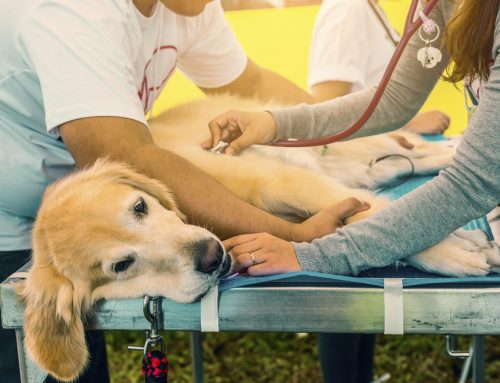
Listening to the lungs and heart with a stethoscope identifies wheeze, crackle, and fluid. Airway palpation locates tracheal sensitivity. Pulse quality and gum color assess cardiovascular status.
Diagnostics
- Heartworm testing: Colorado does see heartworm cases, and testing at wellness visits supports early detection; regular parasite prevention is critical
- Bloodwork: CBC and chemistry assess infection, organ function, and overall health; viral testing identifies the specific cause when needed
- Chest radiographs: Our radiology capabilities provide digital chest X-rays that evaluate lung fields, heart size, and major airway structures
- Ultrasound: Cardiac evaluation and pleural fluid assessment; we have specialists who come directly to our hospital for expert diagnosis of heart disease
- Rhinoscopy: Uses an endoscope to view the narrow passages within the nasal cavity, available with specialists who will come to our hospital so you do not need to go to a referral center
Treatment
Treatment is matched to diagnosis: antibiotics for bacterial infection, bronchodilators and steroids for asthma, diuretics and cardiac medications for heart failure, or surgical correction for structural airway disease.
Preventing Respiratory Problems Before They Start
Not every respiratory condition is preventable, but a meaningful number of them are- or can be caught early enough to be managed before they become serious. Here is what proactive care looks like in practice.
Keep vaccinations current. Vaccinations protect against kennel cough, canine influenza, and feline upper respiratory viruses. For dogs who board, attend daycare, or socialize regularly in Denver, dog flu vaccination is something we specifically recommend given how common it is in shared dog spaces.
Stay current on heartworm and parasite prevention. Heartworm disease causes lung and heart damage that produces coughing and exercise intolerance. Year-round parasite prevention is the most reliable way to keep heartworm from entering the picture.
Prioritize dental health. Dental disease and respiratory symptoms are more connected than most people expect. Regular professional dental cleanings and consistent home care are the best prevention. We offer multiple tiers for affordable pet dental care in Denver to help make regular care more accessible and cost-effective.
Use a harness, not a collar-based lead. Collar pressure on the trachea worsens tracheal collapse in small breeds and can cause chronic airway irritation in any dog. A well-fitted harness removes that pressure entirely. This is especially important for brachycephalic breeds and small dogs already prone to airway issues.
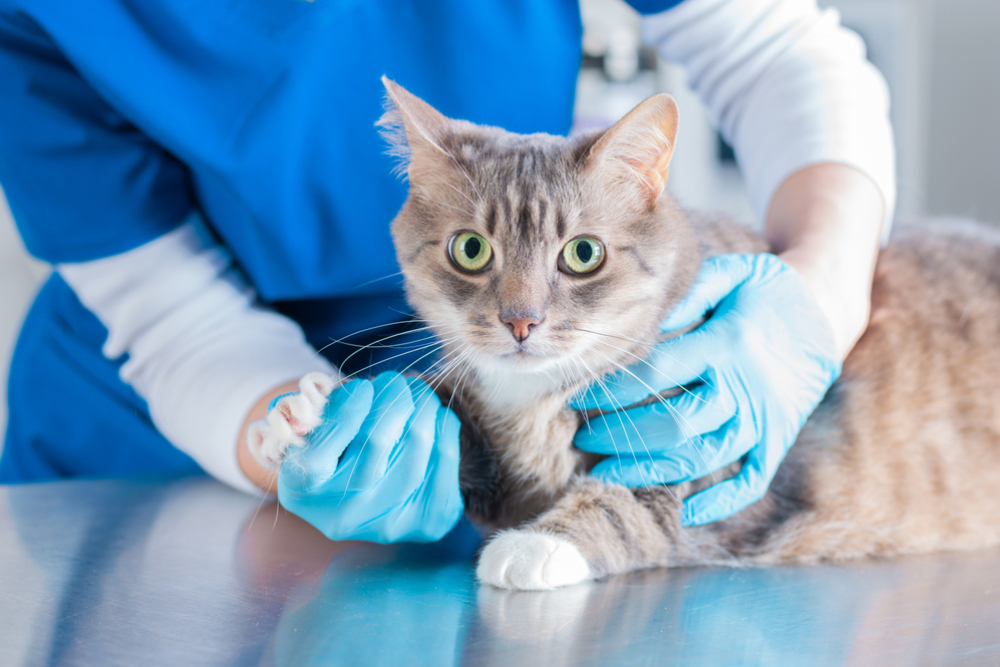
Schedule annual wellness exams. Wellness examinations let us listen to the lungs and heart, assess body condition, and detect early changes in respiratory function before they become symptomatic. A heart murmur, a subtle crackle, or mild increased respiratory effort on auscultation may be the first sign of a developing condition that is far easier to manage when caught early.
Get brachycephalic pets evaluated young. If you have a French Bulldog, English Bulldog, Pug, or other flat-faced breed, a structural airway evaluation early in life is worth doing before symptoms become significant. Many BOAS-affected dogs benefit from surgical correction while they are young and healthy, which produces better outcomes than waiting until breathing difficulty is severe. Our 1st year puppy wellness plan includes the evaluations that let us identify these concerns early and have that conversation with you before it becomes urgent. Surgical correction is available in-house for brachycephalic airway cases.
Frequently Asked Questions
My dog has been coughing for a few days but seems otherwise fine. Should I come in?
A cough persisting more than 24 to 48 hours, or one accompanied by any change in energy, appetite, or breathing effort, warrants evaluation. Call us to discuss.
My cat made a sound like coughing but it only happened once. Should I be concerned?
A single isolated episode is less concerning than recurrent episodes. If it happens again, or if your cat has any posture changes or difficulty breathing with it, call us.
Can I wait until my regular appointment?
If your pet has labored breathing, is open-mouth breathing (for cats), or appears distressed, do not wait. For less urgent presentations with persistent symptoms, our same-day sick care accommodates respiratory evaluations promptly.
Breathing Easy With the Right Support
State of the Heart Veterinary Care’s approach to respiratory concerns combines thorough examination, targeted diagnostics, and individualized treatment. Our wellness examinations include respiratory assessment at every visit, and our team is available for same-day evaluation in Denver when something changes between scheduled visits.
Contact us at (720) 543-2320 if you have noticed respiratory changes in your pet. We’re here to help when you’re worried.