Vomiting and Diarrhea in Dogs and Cats: Red Flags You Should Never Ignore
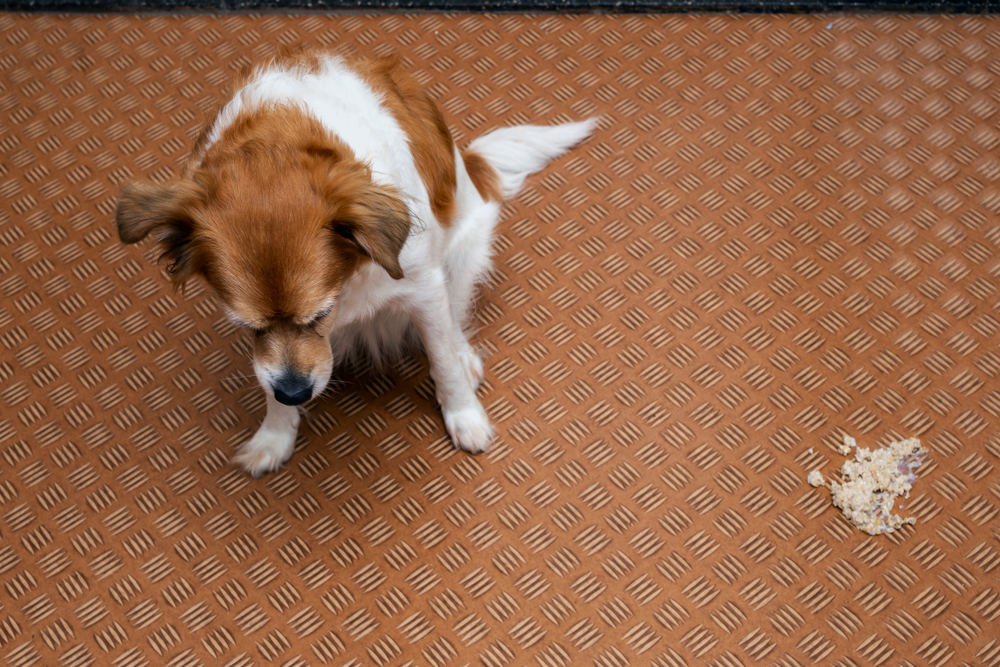
Every pet owner has been there: you wake up to the unmistakable sound of a cat or dog doing something deeply unpleasant somewhere in the house that you now have to clean up, and then comes the question. Is this a "they ate something weird and they're fine" situation, or is this a "we need to go to the vet right now" situation? The range between those two scenarios is enormous, and the signs that separate them aren't always obvious.
At State of the Heart Veterinary Care in Denver, vomiting and diarrhea are among the most common reasons families bring their pets in. Some cases turn out to be minor. Others uncover something that needed attention weeks ago. Either way, knowing what to watch for, what to do at home, and when to stop waiting puts you in a much better position to help your pet. If your pet is vomiting or having diarrhea and you're not sure what to do, call us. We can talk you through it and get you in for a same-day sick visit if needed.
What Does the Vomit Actually Look Like? (Yes, It Matters)
We know it's not pleasant, but what comes up gives us genuinely useful information before we even run a test. If you can snap a photo on your phone before you clean it up, that actually helps your vet more than you might think.
Here's what different types of vomit can tell us:
- Yellow or green bile: Often happens first thing in the morning on an empty stomach. May indicate bilious vomiting syndrome, acid buildup overnight, or just a stomach that's been empty too long.
- Undigested food shortly after eating: This might actually be regurgitation rather than true vomiting, and the distinction matters. Regurgitation is passive, with food coming back up without any abdominal effort. Conditions like megaesophagus cause regurgitation and require a completely different diagnostic approach than vomiting.
- Dark or coffee-ground material: Suggests digested blood in the stomach. This needs prompt attention.
- Bright red blood: Active upper GI bleeding. Always a reason to seek same-day care.
- Foamy white liquid: Often linked to acid irritation or an empty stomach. In large-breed dogs with a distended abdomen and unproductive retching, this combination can signal bloat, which is a life-threatening emergency.
Noting the timing, frequency, and any connection to meals helps us narrow things down faster. Vomiting in cats is often dismissed as "normal," but frequent vomiting is never truly normal and deserves a closer look.
What About Diarrhea in Pets?
Stool changes carry just as much diagnostic information as vomit, and the details matter:
- Soft but formed: Usually the mildest change and often diet-related
- Watery: More concerning, especially if it's happening frequently
- Mucus-coated: Common with large bowel irritation
- Black or tarry: Indicates digested blood from the upper GI tract. Always concerning.
- Red streaks or frank blood: Lower GI bleeding, which can range from mild colitis to something more serious
- Straining, urgency, or accidents indoors: Suggests large bowel involvement
There's an important distinction between small bowel and large bowel diarrhea. Small bowel diarrhea tends to produce larger volumes less frequently, sometimes with weight loss. Large bowel diarrhea produces small, frequent amounts, often with mucus or visible straining. They point in different diagnostic directions, which is why we ask questions that might seem oddly specific about your pet's bathroom habits.
Whether it's diarrhea in cats or dogs, keeping a brief log of frequency, appearance, and any changes helps us move faster at the appointment.
A Note About Senior Pets
Older pets are more vulnerable to organ diseases like kidney disease, liver problems, and hyperthyroidism, all of which can cause GI symptoms. Senior pet health monitoring means bringing GI concerns to us sooner rather than later. Pets with established wellness records and baseline lab values on file make it much easier to detect meaningful changes over time.
When GI Symptoms Are an Emergency
Some combinations of symptoms mean "go now, not tomorrow." These are the non-negotiable situations:
- Vomiting or passing blood (bright red or dark, tarry stool)
- Unproductive retching with a distended or rigid abdomen in large-breed dogs, which are warning signs of bloat (GDV). This condition can be fatal within hours.
- Known or strongly suspected toxin, medication, or foreign object ingestion
- Repeated vomiting or diarrhea with nothing staying down for several hours, including water
- Severe lethargy, weakness, or collapse alongside GI symptoms
- Pale gums, rapid breathing, or cardiovascular distress
- Vomiting or diarrhea in very young, elderly, or immunocompromised pets
- Unvaccinated or incompletely vaccinated puppies with acute, bloody diarrhea, which is the classic presentation of parvovirus, a medical emergency. Completing the full vaccination series on schedule is the best prevention
If you're seeing any of these, don't wait for a scheduled appointment. Call us immediately at (720) 543-2320 or come in for a same-day evaluation. Early intervention changes outcomes dramatically.
The Most Common Causes of Vomiting and Diarrhea in Pets
The list of things that can make a pet vomit or have diarrhea is long, which is exactly why working through it systematically matters more than guessing.
Diet, Habits, and Behavioral Triggers
The most common everyday causes include:
- Eating too quickly: Some dogs and cats inhale their food so fast it comes right back up. We call it “scarf and barf”. Interactive feeders and puzzle bowls can slow things down.
- Food intolerances and allergies: Reactions to proteins like chicken, beef, or dairy can develop even after years on the same food. Choosing the right food matters more than most people realize.
- Dietary changes: Switching foods too quickly is one of the most reliable ways to trigger a bout of diarrhea. Gradual transitions over 7 to 10 days prevent most of it.
- Hairballs: Mostly a cat issue, but long-haired dogs deal with them occasionally too. More than one hairball a month should be investigated.
- Motion sickness: Common in puppies and often outgrown, though some dogs are lifelong car vomiters.
- Stress and anxiety: Boarding, new household members, schedule changes, and environmental upheaval can all trigger GI upset. Cats are especially sensitive to stress, and their GI tract often bears the brunt.
Parasites, Infections, and Toxins
- Intestinal parasites: Roundworms, hookworms, giardia, and coccidia can all cause vomiting and diarrhea. Year-round parasite prevention is important even for indoor-only pets, and regular fecal testing catches what prevention doesn't.
- Viral infections: Parvovirus and other viral infections cause significant acute GI illness.
- Toxin ingestion: Common household toxic plants, human foods (grapes, xylitol, onions, garlic, chocolate), cleaning products, and outdoor hazards can all cause sudden, severe GI distress that may progress to organ damage.
Organ and Systemic Disease
Vomiting and diarrhea aren't always a stomach or intestinal problem. Several conditions elsewhere in the body trigger GI symptoms as a secondary effect:
- Chronic kidney disease: Toxin buildup in the bloodstream causes nausea and vomiting. Cats are particularly prone.
- Liver disease and gall bladder disease: Both affect digestion and can cause vomiting, appetite changes, and diarrhea.
- Hyperthyroidism: Common in older cats, causing weight loss, increased appetite, and frequent vomiting or diarrhea.
- Pancreatitis: Painful inflammation of the pancreas that causes severe vomiting, abdominal pain, and refusal to eat.
Treating the GI symptoms without identifying the underlying cause only produces temporary relief. Our advanced diagnostics help us differentiate these conditions accurately.
GI Tract Disorders and Foreign Bodies
When systemic causes are ruled out, the focus shifts to conditions within the GI tract itself:
- Inflammatory bowel disease (IBD): Chronic inflammation of the intestinal lining causing persistent vomiting, diarrhea, and weight loss
- Lymphoma: Intestinal lymphoma can mimic IBD closely, which is why biopsy is sometimes the only way to distinguish them
- Pyloric stenosis: Narrowing of the stomach outlet causing projectile vomiting after meals
- Gastric cancer: Uncommon but worth ruling out when symptoms are persistent
Foreign body obstructions deserve their own mention. Swallowed toys, socks, hair ties, bones, and corn cobs are a major cause of both acute and intermittent vomiting. Partial obstructions can produce on-and-off symptoms for weeks before a full blockage develops. Foreign body ingestion is one of the reasons imaging is such an important part of the workup.
Our surgical capabilities include foreign body removal, and we can move quickly when imaging reveals something that needs to come out.
When Mild Symptoms Can Be Managed at Home
If your pet is otherwise alert, comfortable, eating and drinking, and not showing any of the emergency signs listed above, mild vomiting or diarrhea can sometimes be monitored at home for a short period:
- Rest the stomach with a short feeding fast (a few hours for adult pets), then gradually reintroduce small amounts of a bland diet
- Offer water in small, frequent amounts rather than a full bowl to reduce the chance of vomiting it back up
- Keep a simple log noting timing, frequency, and what the vomit or stool looked like
- Monitor for 24 to 48 hours. If things aren't improving, or if new symptoms appear, it's time to come in
Home care is not appropriate for puppies, kittens, senior pets, pets with other health conditions, or when symptoms include blood or are severe. When in doubt, reach out to us for guidance before waiting it out.
Why Waiting Too Long Can Make Things Worse
Delaying care turns manageable conditions into complicated ones. Here's what's at stake:
- Dehydration: Vomiting and diarrhea cause rapid fluid and electrolyte loss. Small, young, and senior pets are especially vulnerable.
- Intestinal perforation or tissue death: Untreated obstructions or ulcers can become life-threatening
- Malnutrition and weight loss: Chronic GI disruption prevents proper nutrient absorption
- Secondary infections: A compromised intestinal lining opens the door for bacterial overgrowth
- Organ strain: Persistent vomiting stresses the kidneys, liver, and pancreas
- Disease progression: Cancer, organ disease, and other underlying conditions get worse when GI symptoms are treated without finding the cause
Earlier diagnosis almost always means more treatment options, less expensive treatments, and a better outcome. Schedule an appointment sooner rather than later if symptoms aren't resolving.
How We Figure Out What's Causing It
The diagnostic process starts with two things: a thorough physical exam and a detailed conversation about your pet's history. When symptoms started, how often they're happening, what the vomit or stool looks like, recent diet changes, current medications, and anything unusual at home all shape the diagnostic plan.
From there, the workup typically includes:
- Bloodwork: Evaluates organ function, red and white blood cell counts, electrolytes, and metabolic status
- Urinalysis: Assesses kidney function and hydration
- Fecal testing: Checks for parasites, bacterial overgrowth, and other intestinal pathogens
- Imaging: X-rays reveal foreign bodies, gas patterns, and organ changes. Ultrasound provides more detailed views of organ structure and intestinal wall thickness.
Our in-house lab and digital imaging get results back quickly, which means we can often make meaningful progress in a single visit. For complex cases, traveling specialists are available for advanced imaging like endoscopy.
When Standard Testing Isn't Enough
If baseline diagnostics don't reveal a clear answer, the next steps may include:
- Diet trials: Structured elimination diets using prescription hydrolyzed or novel protein foods (not over-the-counter "limited ingredient" diets, which have cross-contamination risks) run for 8 to 12 strict weeks.
- Endoscopy: A camera passed through the mouth or rectum allows direct visualization of the GI lining and collection of tissue samples without surgery.
- Exploratory surgery: When a foreign body, mass, or full-thickness biopsy is needed, surgical intervention provides both diagnosis and treatment in one step.
Tissue biopsy results, interpreted by a pathologist, are essential for distinguishing between IBD, intestinal lymphoma, and other chronic GI diseases.
Treatment Depends on the Diagnosis
Once we know what's causing the problem, treatment follows:
- Supportive care for acute, self-limiting episodes: IV fluids, anti-nausea medication, and a gradual return to a regular diet
- Food-responsive disease: Diet changes, sometimes with prescription GI formulas. We carry probiotics and Purina Fiber Balance GI diets in our pharmacy for ongoing digestive support.
- IBD management: Immunosuppressive medications, dietary management, and long-term monitoring
- Systemic organ disease: Targeted treatment of the underlying kidney, liver, thyroid, or pancreatic condition
- Surgical intervention: Foreign body removal, mass removal, or biopsy via our surgical services, including laparoscopic options for biopsies
FAQs About Pet Vomiting and Diarrhea
How long should I wait before calling the vet?
If your pet vomits once and then acts completely normal, it's reasonable to monitor for the rest of the day. If vomiting happens more than twice in a few hours, if diarrhea is severe or bloody, or if your pet seems lethargic, painful, or isn't drinking, call us that day.
What's the difference between vomiting and regurgitation?
Vomiting involves active abdominal contractions and heaving. Regurgitation is passive, with food sliding back up without effort, often immediately after eating. They point to very different conditions, so the distinction matters to your vet.
Can a pet develop food allergies after years on the same diet?
Yes. Food allergies and intolerances can develop at any age, even to proteins your pet has eaten without issue for years. A structured elimination diet is the only reliable way to confirm a food allergy.
Is it normal for cats to vomit regularly?
No. While occasional hairball vomiting happens, frequent vomiting in cats is not normal and can indicate inflammatory bowel disease, food intolerance, parasites, or other conditions that respond well to treatment once identified.
What's the fastest way to help a pet with diarrhea at home?
For mild cases in otherwise healthy adult pets: withhold food for a few hours, offer small amounts of water, then introduce a bland diet (boiled chicken and rice, or a prescription GI diet) in small portions. If improvement doesn't follow within 24 to 48 hours, it's time for a vet visit.
We're Here When Your Pet Isn't Feeling Right
Watching your pet be sick without knowing why is stressful. The uncertainty is often harder than the diagnosis itself. The good news is that a methodical approach works. Most cases reach a clear answer and treatment plan by working through the possibilities systematically rather than guessing.
At State of the Heart Veterinary Care, we have the diagnostic tools, the in-house lab capabilities, and a team that takes the time to work through even complex GI cases thoroughly. Whether it's a simple upset stomach or something that needs more investigation, we'd rather help you figure it out than have you wondering at home. Contact us to schedule a visit or call (720) 543-2320 if your pet needs to be seen today.
—
Tab 2
Vomiting and Diarrhea in Dogs and Cats: Red Flags You Should Never Ignore
Every pet owner has been there: you wake up to the unmistakable sound of a cat or dog doing something deeply unpleasant somewhere in the house, and then comes the question. Is this a "they ate something weird and they're fine" situation, or a "we need to go to the vet right now" situation? The range between those two scenarios is enormous, and the signs that separate them aren't always obvious.
At State of the Heart Veterinary Care in Denver, vomiting and diarrhea are among the most common reasons families bring their pets in. Some cases turn out to be minor. Others uncover something that needed attention weeks ago. Knowing what to watch for, what to do at home, and when to stop waiting puts you in a much better position to help your pet. If you're unsure, call us. We can talk you through it and get you in for a same-day sick visit if needed.
When is Vomiting and Diarrhea an Emergency?
Vomiting and diarrhea occur from an incredibly wide range of issues, from simple to complex, minor to potentially fatal. Because the reasons for these symptoms are so broad, diagnostic testing and a physical exam are a critical part of determining what's ok to monitor and what is urgent. When vomiting and diarrhea are combined with other symptoms, it's time to worry.
When symptoms mean "go now to the vet, not tomorrow":
- Vomiting or passing blood (bright red or dark, tarry stool)
- Unproductive retching with a distended or rigid abdomen in large-breed dogs- warning signs of bloat (GDV), which can be fatal within hours
- Known or suspected toxin, medication, or foreign object ingestion
- Repeated vomiting or diarrhea with nothing staying down for several hours, including water
- Severe lethargy, weakness, or collapse alongside GI symptoms
- Pale gums, rapid breathing, or cardiovascular distress
- GI symptoms in very young, elderly, or immunocompromised pets
- Unvaccinated or incompletely vaccinated puppies with acute, bloody diarrhea
If you're seeing any of these, don't wait. Call us at (720) 543-2320 or come in for a same-day evaluation right away.
What to Bring to Your Appointment
What comes up (or out) gives us genuinely useful information before we even run a test- if you can snap a photo before you clean it up, that actually helps more than you might think. Before your appointment, scoop up a fresh stool sample (less than 24 hours old) to test for parasites or other diseases. We might not need it, but it's better to have it than not. Taking notes about your pet's symptoms is helpful, too.
What Does the Vomit Actually Look Like? (Yes, It Matters)
There are multiple types of vomit, and your observations matter. Vomiting in cats is often dismissed as normal, but it isn't. Frequent vomiting always deserves a closer look. Let us know when it's happening and what it looks like:
- Is it first thing in the morning on an empty stomach?
- Does it happen right after a meal, and does the food come back up undigested without any heaving or retching?
- What color is it?
It's also important to know the difference between vomiting and regurgitation. Vomiting comes with abdominal contractions to push food up; regurgitation is more passive. Megaesophagus can cause an enlarged, weakened esophagus, leading to regurgitation of undigested food shortly after eating.
Important Clues to Spot in Diarrhea
Stool changes carry just as much diagnostic information. Before you scoop the poop, take a photo or a note of its appearance.
- What does it look like- soft and formed, watery, or mucus-coated?
- Is there blood, either as dark tarry stool or red streaks?
- How often is it happening, and is your pet straining or having accidents indoors?
Small bowel and large bowel diarrhea point in very different diagnostic directions, which is why we tend to ask questions that might seem oddly specific about your pet's bathroom habits. A quick mental note of frequency, consistency, and timing relative to meals helps us move faster at the appointment.
How Do We Diagnose the Cause of Vomiting and Diarrhea?
The diagnostic process starts with two things: a thorough physical exam and a detailed conversation about your pet's history. When symptoms started, how often they're happening, what the vomit or stool looks like, recent diet changes, current medications, and anything unusual at home all shape the diagnostic plan.
From there, the workup typically includes:
- Bloodwork: the cornerstone of GI workups, evaluating kidney and liver function, thyroid levels, electrolytes, and organ health.
- Urinalysis: Assesses kidney function and hydration
- Fecal testing: Checks for parasites, bacterial overgrowth, and other intestinal pathogens
- Imaging: X-rays reveal foreign bodies, gas patterns, and organ changes. Ultrasound provides more detailed views of organ structure and intestinal wall thickness.
If baseline diagnostics don't reveal a clear answer, the next steps may include:
- Endoscopy: A camera passed through the mouth or rectum allows direct visualization of the GI lining and collection of tissue samples without surgery.
- Exploratory or laparoscopic surgery: When a foreign body, mass, or full-thickness biopsy is needed, surgical intervention provides both diagnosis and treatment in one step. Tissue biopsy results, interpreted by a pathologist, are essential for distinguishing between IBD, intestinal lymphoma, and other chronic GI diseases.
Our in-house lab and digital imaging get results back quickly, which means we can often make meaningful progress in a single visit. For complex cases, traveling specialists are available for advanced imaging like endoscopy, all done right at State of the Heart.
What are the "Simplest" Reasons a Pet Might Vomit?
We all hope that solving your pet's GI distress is a simple fix. There are several reasons why pets vomit that aren't necessarily related to illness, and can be managed at home or prevented entirely with some basic steps.
- Dietary transitions: Switching foods too quickly is one of the most reliable ways to trigger diarrhea. A 7 to 10 day gradual transition prevents most of it.
- Scarf and barf: Some dogs and cats inhale their food so fast it comes right back up within minutes. Interactive feeders and puzzle bowls slow things down effectively.
- Hairballs: Occasional hairballs are normal; more than one a month should be investigated, as it can be a sign of more serious issues. Hairballs often respond well to diet changes, grooming, and hairball-specific products.
- Motion sickness: Common in puppies and often outgrown. Dogs who vomit specifically on car rides and nowhere else are a pretty clear case. Motion sickness is managed with behavioral desensitization and, when needed, anti-nausea medications before travel.
- Stress: Boarding, new household members, schedule changes, and upheaval can all trigger GI upset. Cats are especially sensitive to change, and their GI tract tends to bear the brunt. Dogs with anxiety may vomit or have diarrhea around specific stressors like thunderstorms or travel.
How Does Diet, Treats, and Meal Timing Cause GI Upset?
Diet is one of the most common and most fixable causes of GI upset. If symptoms came on gradually or coincide with a recent change in what your pet is eating, food is a logical place to start.
- Food intolerance and allergies: Reactions to proteins like chicken, beef, or dairy can develop even after years on the same food. Food allergies can't be confirmed with a blood test, despite what some products claim. A structured diet trial using a prescription hydrolyzed or novel protein food- not over-the-counter "limited ingredient" options, which carry cross-contamination risks- run strictly for 8 to 12 weeks is the only reliable method. We carry prescription hydrolyzed diets for food trials in our pharmacy.
- Pancreatitis: A single high-fat meal or treat can trigger pancreatitis– painful inflammation of the pancreas causing severe vomiting, abdominal pain, and refusal to eat. Pancreatitis is managed with IV fluids, pain control, and sometimes hospitalization.
- Bilious vomiting syndrome: Dogs who go too long between meals may experience bile backup that irritates the stomach lining, causing that classic early-morning yellow vomit. Bilious vomiting often improves simply by adjusting meal frequency.
Is It Something They Ate That They Shouldn't Have?
Dogs in Denver are opportunistic snackers. The half-eaten sidewalk sandwich, your trash, chunks of a toy, a dead rodent on the trail, or the thing they found at the dog park that was inhaled before you could even identify it- all fair game as far as they're concerned. Cats are more discerning, but they have their own list of poor choices.
- Dietary indiscretion: The polite veterinary term for "ate something gross." Trash, compost, road snacks, and counter-surfing can trigger sudden GI upset ranging from mild to serious. We often call this "Garbage Gut." Dietary indiscretion often resolves with supportive care: fluids, anti-nausea medication, and a bland diet or prescription high-fiber diet and probiotics.
- Foreign body ingestion: Swallowed toys, socks, hair ties, bones, and corn cobs are a major cause of vomiting. Partial GI obstructions can produce on-and-off symptoms for weeks before a full blockage develops. Foreign bodies that can't pass require removal through our surgical services.
- Toxin ingestion: Toxic plants, human foods (grapes, xylitol, onions, garlic, chocolate), cleaning products, and outdoor hazards can all cause sudden, severe GI distress that may progress to organ damage. Knowing what was consumed and when is critical- the ASPCA Poison Control hotline is a good first call on your way to us. Toxin ingestion may require induced vomiting, activated charcoal, or specific antidote treatment.
All of these situations warrant prompt attention. Our in-house lab and same-day urgent care visits in Denver mean that your pet can receive diagnosis and treatment on the same day.
Intestinal and Stomach Diseases
Sometimes the issue lies within the intestines or stomach themselves.
- Inflammatory bowel disease (IBD): IBD is chronic inflammation of the intestinal lining causing persistent vomiting, diarrhea, and weight loss. It's one of the most common chronic GI conditions in cats and is seen regularly in dogs. IBD is managed long-term with immunosuppressive medications, dietary changes, and monitoring.
- Intestinal lymphoma and GI cancers: Lymphoma can mimic IBD so closely that biopsy is sometimes the only way to distinguish them- and that distinction matters, because lymphoma treatment depends on type and stage. Gastric cancer is less common but worth ruling out when symptoms in an older pet aren't responding to standard treatment.
Definitive diagnosis of IBD versus lymphoma and other GI cancers requires tissue biopsy, either through endoscopy, laparoscopy, or exploratory surgery– all of which can be done at State of the Heart. Our advanced diagnostics allow us to work through this efficiently.
Preventable Diseases- Parasites, Parvo, and More
Puppies and kittens have developing immune systems and are more susceptible to diseases that older, vaccinated pets are protected against.
- Intestinal parasites: Roundworms, hookworms, giardia, and coccidia are extremely common in young pets and frequently passed from the mother. Year-round parasite prevention helps, but fecal testing catches what prevention alone doesn't. Parasites are treated with targeted dewormers based on what's identified.
- Viral and bacterial infections: Parvovirus is the most serious, causing severe bloody diarrhea and vomiting that can be fatal within days in unvaccinated puppies. Leptospirosis, distemper, and even kennel cough can cause vomiting in dogs; in kittens, panleukopenia causes similar symptoms. Any puppy with severe diarrhea should be tested for parvovirus, and treatment requires intensive supportive care: IV fluids, anti-nausea medications, and hospitalization in severe cases.
These causes are easily preventable with proper wellness care from day one. Completing the full vaccine series on schedule is not optional. Our new kitten guide and new puppy guide can give you the basics on how to care for your new pet. State of the Heart offers affordable puppy wellness programs that include vaccinations and parasite prevention to keep these very scenarios from occurring.
Could It Be a Senior Pet Problem?
Older pets are more vulnerable to organ diseases that frequently show up first as GI symptoms. Vomiting is often a first sign of more serious diseases lurking beneath the surface. Pets with wellness records and baseline lab values on file make meaningful changes much easier to detect.
- Chronic kidney disease: Toxin buildup in the bloodstream causes nausea, vomiting, and reduced appetite. Kidney disease is particularly common in older cats, and is managed with diet changes, fluid support, and medications to slow progression.
- Liver and gallbladder disease: Liver disease affects digestion and causes vomiting, appetite changes, and sometimes diarrhea. Management depends on the underlying cause.
- Hyperthyroidism: Common in older cats, causing weight loss despite increased appetite, along with frequent vomiting or diarrhea. Hyperthyroidism has several effective treatment options including medication, radioactive iodine therapy, and surgery.
The earlier these conditions are caught, the more options are available- which is why regular wellness visits with routine bloodwork matter even when a senior pet seems fine.
How to Handle Mild Symptoms at Home
If your pet is otherwise alert, comfortable, and not showing any of the emergency signs listed above, mild GI symptoms can sometimes be monitored at home for a short period:
- Rest the stomach with a short feeding fast of a few hours for adult pets, then gradually reintroduce small amounts of a bland diet (boiled chicken and rice, or a prescription GI food)
- Offer water in small, frequent amounts rather than a full bowl at once, to reduce the chance of vomiting it back up
- Monitor for 24 to 48 hours. If things aren't improving, or if new symptoms appear, it's time to come in
Home care is not appropriate for puppies, kittens, senior pets, or pets with other health conditions. When in doubt, reach out to us before waiting it out.
When Is It Time to Schedule a Vet Visit for Vomiting or Diarrhea?
Use this as a quick reference when you're trying to decide whether to monitor at home or pick up the phone:
|
Symptom |
Mild: Monitor at Home |
Needs Care |
|
Vomiting |
Once or twice, pet is alert and acting normally afterward |
Three or more times in a day; blood present; unproductive retching; can't keep water down |
|
Diarrhea |
Soft or loose, one to two episodes, no blood |
Watery and frequent; blood or black tarry stool; straining with nothing coming out |
|
Lethargy |
Quieter than usual but responds normally, eating and drinking |
Won't get up, unresponsive to interaction, weak, or collapses |
|
Lack of appetite |
Skips one meal but otherwise acting normal |
Refuses food for more than 24 hours, or refuses water |
|
Length of time |
Symptoms resolve or clearly improve within 24 hours |
No improvement after 24 to 48 hours, or symptoms are worsening at any point |
If you're on the fence, err toward calling us. A quick conversation is always better than waiting too long.
FAQs About Pet Vomiting and Diarrhea
How long should I wait before calling the vet?
If your pet vomits once and then acts completely normal, it's reasonable to monitor for the rest of the day. If vomiting happens more than twice in a few hours, if diarrhea is severe or bloody, or if your pet seems lethargic, painful, or isn't drinking, call us that day.
Can a pet develop food allergies after years on the same diet?
Yes. Food allergies and intolerances can develop at any age, even to proteins your pet has eaten without issue for years. A structured elimination diet is the only reliable way to confirm a food allergy.
Is it normal for cats to vomit regularly?
No. While occasional hairball vomiting happens, frequent vomiting in cats is not a normal part of being a cat. It can indicate IBD, food intolerance, hyperthyroidism, or other conditions that respond well to treatment once identified.
What's the fastest way to help a pet with diarrhea at home?
For mild cases in otherwise healthy adult pets: withhold food for a few hours, offer small amounts of water, then introduce a bland diet in small portions. If improvement doesn't follow within 24 to 48 hours, it's time for a vet visit.
We're Here When Your Pet Isn't Feeling Right
Watching your pet be sick without knowing why is genuinely stressful. The uncertainty is often harder than the diagnosis itself. The good news is that a methodical approach works- and most cases reach a clear answer by working through the possibilities systematically rather than guessing. If you have a vomiting dog or cat in Denver, we’re here to help.
At State of the Heart Veterinary Care, we have the diagnostic tools, the in-house lab capabilities, and a team that takes the time to work through even complex GI cases thoroughly. Whether it's a simple upset stomach or something that needs more investigation, we'd rather help you figure it out than have you wondering at home. Contact us to schedule a visit, or call (720) 543-2320 if your pet needs to be seen today.